
Table of contents
Why Pancreatic Cancer Is Hard to Detect
The Breakthrough Discovery in Blood Biomarkers
How Early Detection Can Save Lives
The Future of Cancer Screening
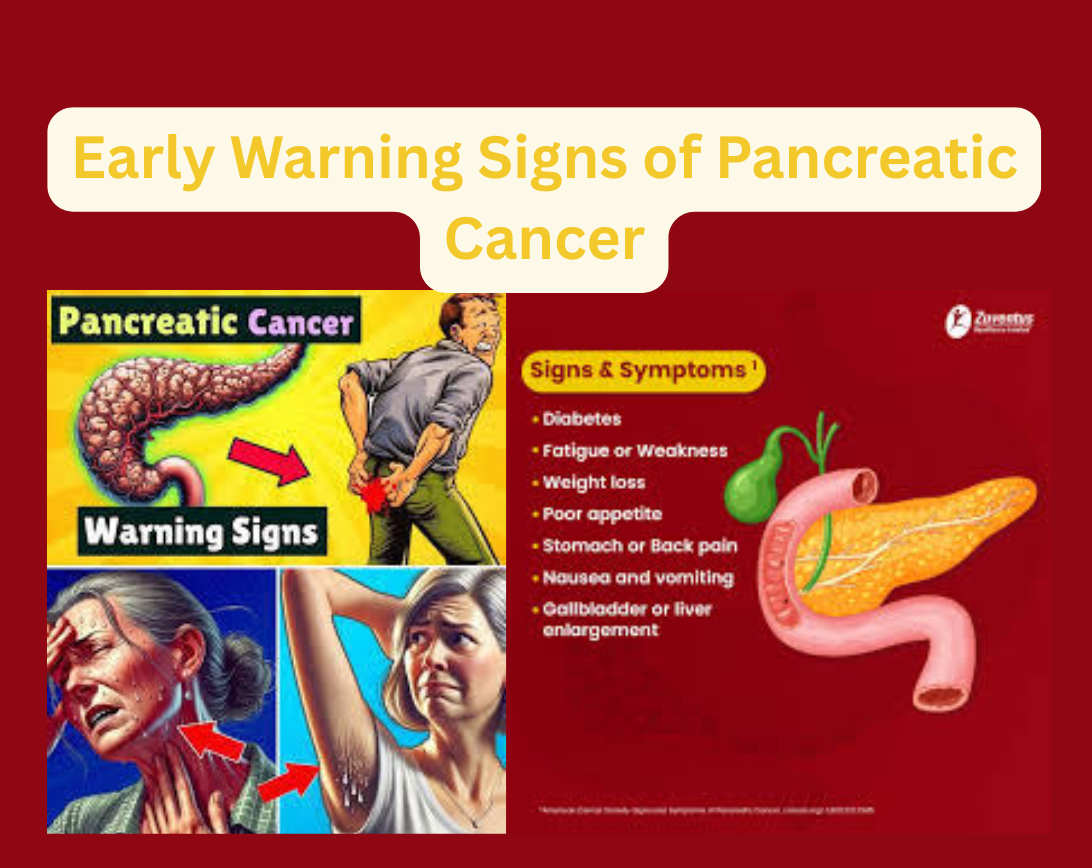
What are the early warning signs of pancreatic cancer?
Early warning signs of pancreatic cancer include:
* Abdominal pain that won’t go away
* Weight loss without trying
* Jaundice (skin turning yellow)
* Problems with digestion
* Loss of appetite
To this end, blood biomarkers must be selected according to their ability to alert to an early stage.
.
🧠 Introduction
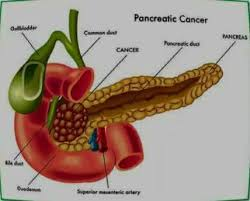
A major scientific development is providing a new ray of hope in the fight against pancreatic cancer, as it is one of the deadliest cancers in the world. In blood samples, scientists have found very early markers that could allow doctors to detect the disease long before symptoms occur.
Since most pancreatic cancers are only detected at advanced stages, only a limited number of treatment options are available to patients, and consequently, the survival rates are still extremely low. This revolutionary discovery can change the way the disease is diagnosed, treated, and managed, potentially saving thousands of lives each year.
🔍 Why Pancreatic Cancer Is Hard to Detect
The lack of symptoms early on is the major cause of the low survival rate of pancreatic cancer. Actually, most of the time, symptoms appear.
Those signs comprise:
* severe and persistent abdominal pain
* Weight loss without any obvious cause
* yellowing of the skin and eyes, which is identified as jaundice.
* Digestive system disorders
* Loss of appetite
. Most patients develop these symptoms at the advanced stage of their cancer. The cancer has typically already spread beyond its original location when patients receive their cancer diagnosis. Because of late diagnosis, pancreatic cancer has the lowest survival rate among all the major cancers.
🧪 The Breakthrough Discovery in Blood Biomarkers
Scientists have identified certain blood biomarkers that are associated with the earliest biological changes during the pancreatic cancer process.
Biomarkers are indicators or signatures, usually a protein level in body fluids, which could be used to identify medical conditions or diseases.
Scientists have found very specific and unique molecules circulating in the blood that are highly associated with the development of pancreatic cancer even before the tumor reaches a size that produces symptoms. These molecules send an early ‘alarm’ to doctors that cancerous cells might be present in the pancreas.
If validated by subsequent studies, this could provide a low-cost blood test for the detection of the earliest-stage cancer of the pancreas.
❤️ How Early Detection Can Save Lives
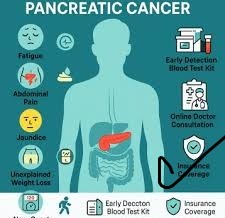
All people understand that earlier disease diagnosis leads to improved survival rates
Pancreatic cancer and its diagnosis can have a cascade of events, such as
*Emancipation of the well-chosen treatment.
*Chemotherapy
*Targeted therapy
*Immunotherapy
*Precision medicine
Having reliable early detection could potentially lead to a lot of new patients timing their treatments correctly for a potential cure.
👥 Who Is at Higher Risk?
People who meet the qualifications for higher pancreatic cancer risk actually find this achievement to be remarkable and exciting.
*People who have a family history of pancreatic cancer.
*Carry genetic mutations
*Have chronic pancreatitis
*Are long-term smokers
* Have diabetes or obesity
The physicians may decide to test these high-risk individuals periodically for the presence of the biomarkers and hence detect and treat the disease earlier.
🔬 The Future of Cancer Screening
The discovery signals the possibility of detecting cancer in the future with a non-invasive method.
Blood tests are very simple, the least expensive, and the safest way to carry out and are safe at any time.
Moreover, it won’t be far away when you will be able to do pancreatic cancer screening just like checking your cholesterol or blood sugar levels.
At the same time, besides looking at the detection of biomarkers, researchers are using AI to develop better, more precise methods.
Cooperation effects of blood and imaging techniques can even further enhance the early detection of pancreatic cancer, which is our ultimate goal.
⚠ Challenges Still Ahead
Even though the idea is quite exciting, thorough studies and tests are necessary before liberally releasing the test to every patient who desires it. Research teams have to make sure that:
* Biomarkers are very reliable and consistent in different populations.
* Cancer patients have detectable early signs.
* It can differentiate between benign and malignant diseases.
* It works on a large scale with people.
These trials will also decide if the methodology works so well that it can be used regularly without any worries about false positives/negatives.
🌟 A New Era of Hope
As a matter of fact, people have been resigned to the fact that pancreatic cancer is not a cancer amenable to early detection. is such a big step that we won’t.
Therefore, when the cancer-marker tests get approved for use, doctors will be able to.”
Early detection = early treatment = increased survival rates.
For patients, families, and healthcare professionals, a new hope is something scarce in pancreatic cancer research.
❓ FAQ
What is the earliest sign of pancreatic cancer?
Symptoms may be as subtle as slight abdominal pains, left untreated; fatigue, or other problems related to the stomach, but generally, symptoms do not.
Can pancreatic cancer be detected with a blood test?
.
Nowadays, blood markers have been identified that, by themselves, may be able to not only indicate the presence of pancreatic tumors but also.
Who is most at risk for pancreatic cancer?
Cancer risk depends on genes, environmental factors, lifestyle habits, etc. Besides hereditary risk, smokers and diabetics have an increased cancer risk….
Who is most at risk for pancreatic cancer?
The risk of cancer develops through genetic elements, environmental conditions, and personal behavior patterns. Smoker and diabetic individuals experience a higher cancer risk beyond their inherited genetic predisposition.
Is pancreatic cancer curable if caught early?
It is possible to be cured only if, at the time of diagnosis, the tumor is limited to the pancreas and the pancreas can be surgically removed.
🏁 Conclusion
The identification of these early warning indicators in blood is an undeniable milestone for the detection of pancreatic cancer. More work is required for this test to become commonly available, but the outlook is quite good. Eventually, early detection might become an effective way of saving lives and improving outcomes for patients worldwide.


Leave a Reply