
Table of Contents
Why Are Cases Rising in Young Adults?
Symptoms Young Adults Should Not Ignore
Why Gen Z and Millennials May Be More Vulnerable
Prevention and Healthy Lifestyle Habits
The Importance of Early Awareness
Introduction
For years, colorectal cancer was sorta treated like an old person’s problem. People assumed colon cancer screenings mostly mattered after age 50, and honestly, younger folks rarely even put it in their minds. Well, that belief is changing fast, and a lot of doctors are seeing it in real time.
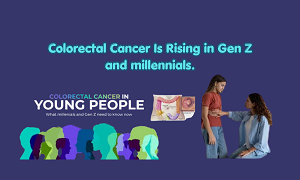
Lately, doctors and researchers are sounding an alarm about a nasty pattern: colorectal cancer is increasing in Gen Z and millennials. More adults in their 20s, 30s, and 40s are getting diagnosed with colon and rectal cancers, and a lot of those diagnoses happen later than they should. Health specialists say the trend shows up worldwide. They also point out that symptoms get missed or brushed off, like it’s nothing serious, so the disease gets more room to grow.
This whole situation kinda kicked off urgent talks about eating rhythms, gut wellness, how good the diet really is, daily lifestyle, exposures in the environment, and also early detection. And if people actually know the warning signs, plus the likely underlying reasons, then more lives might get saved.
⸻ What Is Colorectal Cancer?
Colorectal cancer is a type of cancer that shows up in the colon, or sometimes in the rectum. Those spots are part of the large bowel, so in a way, you could say it begins there, more or less.
For some people, it seems like it begins when everything is already sort of in motion and packed, like a spot that stays busy all the time, and then it slowly grows from there.
It often begins as small growths, called polyps. Over time, some polyps can turn into cancer if they’re not found early and removed.
Back in the day, colorectal cancer was kind of showing up mostly in older adults. But the term “early-onset colorectal cancer” is for cases diagnosed before someone turns 50. Even so, these diagnoses seem to be rising pretty fast, like too fast for comfort. A bunch of medical experts are saying that people born around 1990, or close to it, have a higher chance of colon and rectal cancer than earlier generations.
⸻Why Are Cases Rising in Young Adults?
Researchers are still trying to pin down the exact “why,” but most specialists suspect several reasons are teaming up in a sort of quiet parade, side by side, and nudging colorectal cancer upward in younger people
Processed foods and a less-than-ideal diet
Modern eating habits often drift toward processed foods, sugary drinks, red meat, and too little fiber. That combo can mess with digestive health in a negative way. When fiber is low, gut bacteria may shift, and inflammation inside the digestive tract can increase.
Some investigators sort of think these diet pivots over the last few decades are a huge part of why colorectal cancer is still climbing among millennials and Gen Z.
⸻ Sedentary lifestyle
Another piece of it is being inactive, like, you know? Long periods of sitting, too much screen time, and moving less overall are linked with a higher risk. Experts also point out that obesity and sedentary time have increased a lot among younger groups.
Physical activity, meanwhile, supports digestion, can reduce inflammation, and helps overall metabolic health.
⸻ Gut microbiome changes
Scientists are paying a bit extra attention to the gut microbiome, basically the collection of bacteria living in the digestive system, and yes, it’s getting a lot of study. Some research hints that certain harmful bacterial kinds could be tied to DNA alterations that are associated with colorectal cancer.
Things that can disturb gut health include:
- Poor diet
- Frequent antibiotic use
- Chronic stress
- Environmental toxins
- Low fiber intake
Researchers think these gut changes may begin earlier than we once believed.
⸻ Symptoms young adults should not ignore
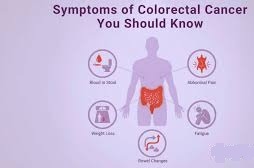
A big reason colorectal cancer in younger adults is sometimes found late is that many people think, “I’m too young for cancer.” Then the symptoms get sort of mistaken for stress, hemorrhoids, random digestive weirdness, or small gastric discomfort. Like it’s all just, you know, “minor” stuff. Common warning signs might include the following:
- Blood in the stool
- Abdominal pain that doesn’t really go away
- Changes in bowel habits
- Constipation or diarrhea that keeps lasting for a long time
- Fatigue with no clear reason
- Sudden weight loss
- A feeling that the bowel won’t empty completely
Health experts strongly encourage younger adults to get medical advice if symptoms continue. Early detection often makes treatment much more likely to work.
⸻ Why Gen Z and millennials may be more vulnerable
A few lifestyle and environmental things seem to nudge younger groups differently than they did for older generations.
More ultra-processed foods, in a sense
Fast food, packaged snacks, sugary drinks, and meals that are heavily processed just keep popping up more in modern diets. Experts think these changes can stir up chronic inflammation and mess with digestion as well, not only in a small way, but broadly.
⸻ More stress and worse sleep
Ongoing stress, plus not enough sleep, can weaken the immune system and throw off normal body work. Millennials and Gen Z often juggle digital overload, money worries, and mental exhaustion that never fully lets go.
Stress alone usually doesn’t “cause” cancer straight away, but unhealthy coping methods can stack up health risks over time.
⸻ Delayed screening and misdiagnosis
Since colorectal cancer has been tied for decades mainly to older adults, younger people might not get diagnosed quickly. When symptoms look like “regular” issues, doctors and patients may shrug them off, and the condition can keep moving until it’s caught.
That’s why awareness and early medical attention really count, like it’s not just about luck or timing.
⸻ Prevention and Healthy Lifestyle Habits
Not every colorectal cancer case can be fully prevented, though specialists say that a few choices, here and there, might lower the odds significantly.
Most prevention ideas usually come down to things like
- Eating more fruits, vegetables, and whole grains
- Cutting back on processed foods and red meat
- Exercising in a steady way
- Keeping a healthy weight
- Avoiding smoking and limiting alcohol
- Managing stress in a real way
- Paying close attention to digestive symptoms
- Talking with a doctor about your family history
A lot of health orgs also lean toward beginning colorectal cancer screening earlier than they used to, especially for people with risk factors, or with a family history that matters.
⸻ The Importance of Early Awareness
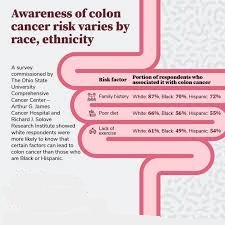
One of the most unsettling things about early-onset colorectal cancer is that younger adults often don’t really plan for it until later. Being in the know can actually shift the whole chain reaction, and it might even encourage people to move sooner, before everything snowballs out of control.
Doctors say that catching symptoms early, mentioning a kind of medical check, and keeping up steadier everyday routines can really improve outcomes. At the same time, public awareness is helping loosen the older idea that colorectal cancer is only something that happens to adults later in life, like it can’t touch anyone else.
Final Thoughts
There’s this quiet increase in colorectal cancer among Gen Z and millennials, and honestly, it’s turning into a serious public health matter. Researchers keep looking for answers, but most experts agree that lifestyle habits, food patterns, gut wellbeing, and late diagnosis might all matter in some way.
Younger adults should not just brush off ongoing digestive issues, and they should not tell themselves, “ I’m too young “. Early discovery, making informed decisions, and keeping a healthier routine day to day could protect long-term health and maybe even save lives.


Leave a Reply