
Table of Contents
How Mitochondria Produce Energy
How CoQ10 Supports Cellular Energy
CoQ10 as a Powerful Antioxidant
Aging, Statins, and CoQ10 Depletion
How to Improve CoQ10 Absorption
introduction
CoQ10 benefits for energy and mitochondrial well-being basically start down at the cell level. If you find yourself often tired, kind of mentally foggy, or you have less stamina than you used to, it might be that your mitochondria aren’t making energy as efficiently as they’re supposed to. CoQ10 helps back up the mitochondria, those natural energy centers in your body, so they can build ATP—the main energy currency for nearly every cell. And not only that, but this vital nutrient also helps promote heart health, supports brain performance, and gives extra protection from oxidative stress that can wear things down over time.
These microscopic “power plants” do the heavy lifting for the energy your body needs to think, to keep moving, to repair itself, and just stay online day after day. And right in the middle of that whole setup sits a key nutrient, Coenzyme Q10, often shown as CoQ10.
CoQ10 supports cellular energy production, backs up heart performance, helps with brain function, and also kind of shields against wear and tear that tends to accumulate as you age. Over time, CoQ10 levels can fall due to aging, high stress, or certain medications. When that shift happens, your body might not generate energy as efficiently, and you could notice it more than you’d think.
In this guide, you’ll learn
- What CoQ10 really is
- How it supports mitochondria in making energy
- Common signs that CoQ10 levels might be low include a few telltale hints, such as a large gap between ubiquinol and ubiquinone or an overall balance that feels a little off.
Sometimes people notice they’re more easily fatigued, or their energy does that slow dip thing, even when sleep seems fine.
- Methods to help boost CoQ10 levels naturally
- CoQ10 Benefits: How It boosts energy and mitochondrial health
What Is CoQ10?
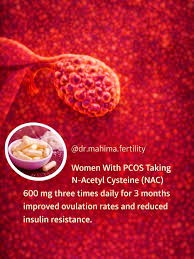
Coenzyme Q10, more often called CoQ10, is a kind of naturally occurring compound, and you can find it in nearly every cell inside your body.
It hangs out most in the organs that basically demand high output energy, like
- the heart
- brain
- liver
- kidneys
- muscles
Its main purpose is to help mitochondria make Adenosine Triphosphate (ATP), which is basically the body’s main, go-to cellular energy source
If there’s not enough CoQ10, cells may have more trouble producing the kind of energy they need for everyday function, and you know, at least that is what it seems
⸻ How Mitochondria Produce Energy
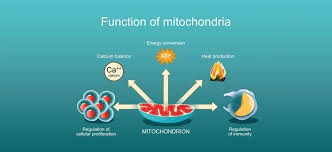
Mitochondria take nutrients from food and turn them into usable biological power for the cells
This is often called “cellular respiration.”
Inside the mitochondria, nutrients are broken down, then passed through a sequence of reactions known as the electron transport chain.
ATP
In the end, this setup forms ATP, which drives things like
- muscle motion
- brain work
- heart contractions
- tissue rebuilding
- metabolic processes
CoQ10 works as a key assistant in this whole scheme by shuttling electrons between mitochondrial complexes. Without it, ATP output can slow down and sort of drag its feet.
⸻ How CoQ10 Supports Cellular Energy
1. Helps Produce ATP
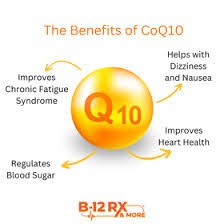
CoQ10 kind of works like an energy shuttle inside mitochondria. It helps steer electrons down the electron transport chain so the cells can make ATP a bit more smoothly and reliably.
When CoQ10 levels are healthy:
- Energy production tends to improve
- Physical stamina may rise
- Mental fatigue might drop a bit
- Muscles can work more effectively
Low levels, on the other hand, may be linked with
- chronic fatigue
- weakness
- trouble tolerating exercise
- less stable concentration
⸻ 2. Supports Heart Health
The heart really needs quite a lot of energy, because it keeps beating the entire time, more or less without breaks, even when you are resting.
Since CoQ10 is concentrated in heart tissue, keeping those levels up matters quite a bit for cardiovascular performance and overall function.
Research suggests CoQ10 may help support the following:
- healthy blood flow
- cellular energy in the heart muscle
- antioxidant defense
- normal blood vessel function
⸻ 3. Helps Protect Brain Function
The brain is another organ with a constant high demand for energy, and it leans on mitochondrial work quite a bit.
CoQ10 may help support the following:
- mental clarity
- focus
- memory
- cognitive performance
Because it also works as an antioxidant kind of, it may assist in shielding brain cells from oxidative stress that comes with aging.
⸻ CoQ10 as a Powerful Antioxidant
Energy production, by the way, naturally creates unstable molecules, often called free radicals.
Over time, too many free radicals can end up harming the following:
- cell membranes
- Proteins
- mitochondrial DNA
This whole situation is usually referred to as “oxidative stress,” and it is linked with:
- Aging
- Inflammation
- Fatigue
- Overall cellular decline
CoQ10 helps to neutralize these nasty molecules right inside the mitochondria, so cells are less likely to get damaged.
And its antioxidant function matters even more for organs that have high energy requirements, like the heart, and also the brain.
⸻ Signs of Low CoQ₁₀ Levels
CoQ10 levels often decrease as we get older, but there are other causes, too, that can lead to deficiency.
Common signs may include:
- ongoing fatigue
- Reduced exercise endurance
- muscle weakness
- mental haze, or brain fog
- slower recovery
- less stamina overall
Some people, especially while using cholesterol-lowering statin medications, can also get muscle discomfort. This may happen due to decreased CoQ10 output.
Aging, statins, and CoQ10 depletion
Aging and CoQ10
Natural CoQ10 production usually hits its high point in early adulthood and then slowly drops, as the years go on. When these levels drop, the mitochondria may get a bit less tuned for producing energy, you know, more sluggish in a way. That might link to
- lower energy levels
- reduced physical performance
- slower recovery
- age-related fatigue
⸻ Statin medications and CoQ10
Statins help lower cholesterol by blocking one step in the cholesterol-making pathway.
But here’s the twist: that same pathway also gets used for CoQ10 synthesis, so if you block it, you might somehow reduce CoQ10 availability indirectly.
For some people, this can show up as
- muscle aches
- Weakness
- Fatigue
- exercise intolerance
If anyone is thinking about supplements, it’s best to talk with a healthcare professional first before you start, just in case.
⸻ Ubiquinol vs. ubiquinone
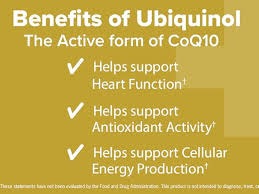
CoQ10 supplements are sold in two common forms, and they’re not identical.
| Feature | Ubiquinone | Ubiquinone |
| Form | Oxidized | Reduced / Active |
| Absorption | Lower | Higher |
| Main Function | Energy production | Antioxidant support |
| Best For | Younger adults | Adults over 40 |
Ubiquinol is often kind of seen as easier for adults over 40 to absorb, since it’s already in its active phase, so yeah.
⸻ Best Foods for CoQ10
Some foods naturally carry CoQ10 in them, and they can help keep levels in a healthier range.
Foods Rich in CoQ10
- Sardines
- Mackerel
- Beef
- Chicken
- Organ meats
- Spinach
- Broccoli
- Nuts and seeds
Even if food sources have smaller amounts compared to supplements, they still add up over time for overall intake and support of that kind of thing, so in the long run, it matters, even with lesser quantities.
⸻ How to Improve CoQ10 Absorption
Since CoQ10 is fat-soluble, it tends to absorb better when you take it with healthy fats
- Helpful Pairings
- olive oil
- Avocado
- Nuts
- Eggs
- fatty fish
Also, keeping a decent nutritional balance might support the body’s natural output of CoQ10, rather than solely leaning on what you eat each day.
Key nutrients are usually the following:
- Vitamin B6
- Vitamin B12
- Folate
- Vitamin C
⸻ FAQs
What is CoQ10 used for?
CoQ10 is pretty often used to help support things like cellular energy, heart well-being, and antioxidant defense, and it’s also connected in a way with mitochondrial performance, kind of.
Does CoQ10 help with fatigue?
Some research says CoQ10 may support energy creation a little, and yes, it can also ease tiredness, but then again, not everyone reacts the same way. The outcomes seem to shift, based on the person and the situation, so it’s kinda mixed overall.
What foods contain CoQ10?
Fatty fish, organ meats, spinach, broccoli, and nuts have it naturally.
So, what is the difference between ubiquinol and ubiquinone?
Ubiquinol is the “active” form of CoQ10, and some people might take it up more efficiently than ubiquinone.
Can statins lower CoQ10 levels?
Yes. Statin meds may reduce the body’s own CoQ10 production, so levels can drop along the way.
Final Thoughts
CoQ10 is way more than a supplement trend, it feels like. It is a crucial compound that shows up in the basic process of cellular power making and energy production.
From helping heart and brain health to encouraging mitochondria to generate ATP, CoQ10 plays a key part in how awake and steady the body feels as time goes on.
As aging, pressure, and some medications reduce natural levels, supporting mitochondrial wellness through balanced nutrition and good daily habits might help with long-term vitality and better cellular performance.


Leave a Reply