
Table of Contents
The Process of Development of a Pulmonary Embolism
Formation of a Blood Clot in the Leg
Causes and risk factors for pulmonary embolism
Why is a Pulmonary Embolism such a serious threat to health
How Pulmonary Embolism is Diagnosed
Treatment Options for Pulmonary Embolism
How to Prevent Pulmonary Embolism
Introduction
A pulmonary embolism is a kind of medical emergency that cannot really be put off. This is because it has to do with blood circulation and can rapidly become quite serious, in some cases, in a matter of hours.
Normally, it begins when a blood clot forms deep in a vein, typically in the leg; this is known as a Deep Vein Thrombosis (DVT). The clot might initially cause only slight pain, or maybe you won’t even feel it at all. The risk, however, goes up drastically if it breaks off, and, if it does, it will travel through the bloodstream. On reaching the lungs and causing blockage in a pulmonary artery, the clot results in a pulmonary embolism, which is the very point when, in many cases, it could turn out to be fatal if proper treatment is not initiated.
Many people may not immediately think of a blood clot in the leg as a cause of lung problems. However, once you understand the process of a chief cause of a pulmonary embolism, the main symptoms of it, and the preventive measures, you will be able to save lives and avoid these bleak outcomes.
What is a pulmonary embolism?
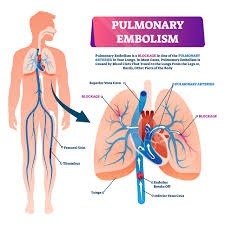
So, a pulmonary embolism is kinda like a blockage in a lung artery, caused by a blood clot… most of the time, that clot comes from the deep veins in your legs. And then it travels onward until it lodges there, which is why people say it’s sort of a “traveling” problem. Once it breaks off, it rides along the bloodstream, gets to the heart, and then ends up stopping the circulation of blood through the lungs.
Because of that blockage, the blood flow to that specific region of the lung gets cut off, and the oxygen level drops as a result, more or less. Then the heart has to push harder, so it has to work with extra strain, and that extra burden might turn into a risk factor for heart problems too.
It is possible to experience a mild episode if the clot is small and in a less critical location, but the result can be fatal in the other typical situations.
What is the Process of Development of a Pulmonary Embolism?
For the vast majority of cases, a pulmonary embolism comes down to a fairly common sequence of events:
Formation of a Blood Clot in the Leg
The development of a pulmonary embolism usually goes through a kind of chain of events, like it’s never just one thing.
1. A clot shows up in the leg
A blood clot forms in one of the deep veins in the leg because blood is moving slowly, or there was some kind of vessel injury, or the body has higher clotting tendencies. This is commonly called deep vein thrombosis.
2. The clot breaks free
Sometimes a piece of that clot detaches from the vein wall. When it becomes loose, it turns into an embolus, and it can travel through the bloodstream, basically carried along.
3. It travels toward the heart
After that, the embolus moves through the larger veins, kind of heading to the heart. Then the heart pushes it forward into the pulmonary arteries, leading all the way to the lungs.
4. It blocks a pulmonary artery
Finally, the embolus kind of gets stuck in one of the lung arteries. When that happens, you get a pulmonary embolism, and the usual blood flow through the lungs gets interrupted, kind of completely.
Causes and risk factors for pulmonary embolism
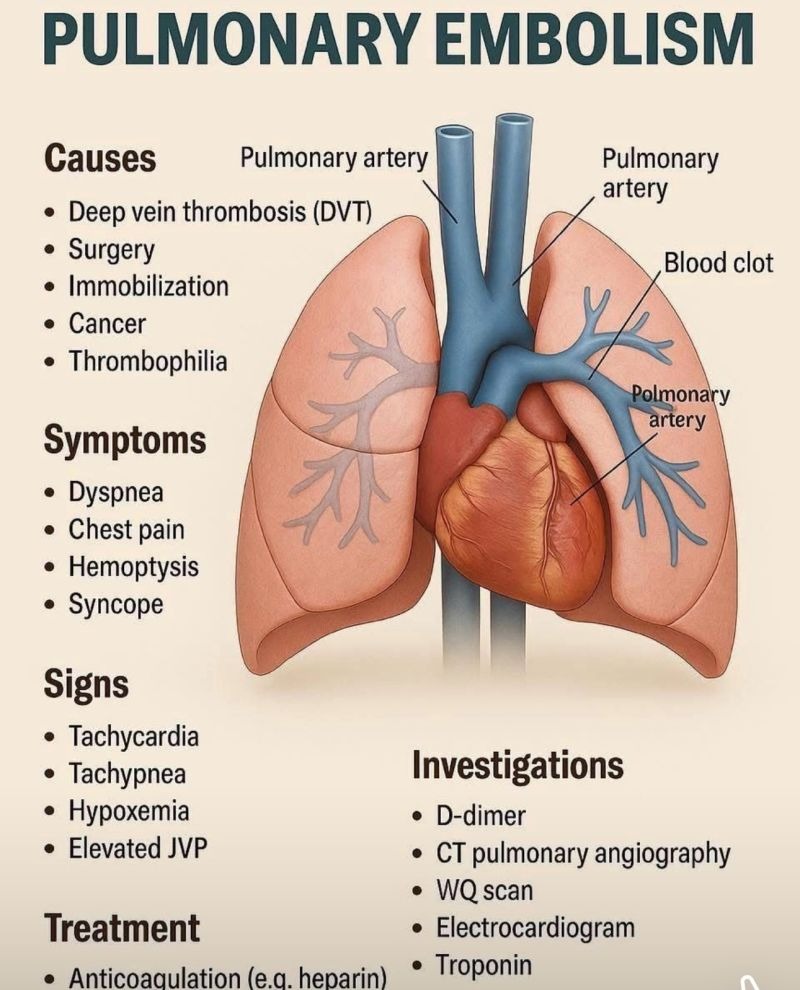
Several different elements can boost the chances of developing a pulmonary embolism.
Prolonged Sitting
When you’re not moving for long stretches, like traveling, working at an office, or being laid up in bed, things can get a little sluggish in terms of circulation, you know. It’s kind of like the blood has less of a nudge, so it moves more slowly. That lingering stillness may also encourage clot creation, even if it seems minor at first.
Surgery
Major surgeries, especially those that are orthopedic, making use of hips or knees, are a big risk factor for clots.
Obesity
Being seriously overweight puts additional stress on veins and can also lead to circulation issues.
Smoking
Smoking causes damage to blood vessels and also increases the risk of irregular clot formation.
Pregnancy
Pregnancy is a naturally heightened blood-clotting state, thus carrying a risk of both DVT and pulmonary embolism.
Medical Conditions
Cancer, heart disease, inherited clotting disorders, and a few autoimmune diseases can raise the odds of clotting, or at least increase that tendency.
Why is a Pulmonary Embolism such a serious threat to health
A pulmonary embolism can be deadly because it interferes with the body’s ability to get oxygen. And once the vessel is blocked, the heart has to work harder, like actually pump with more force, to push blood through the lungs, to keep everything going.
Among other problems, it may lead to:
- Permanent lung damage
- Decreased oxygen levels
- Cardiac stress
- Pulmonary hypertension
- Return of blood clots
- Sudden heart arrest
- Death in the most severe case,
The bigger the clot, the more serious the health risk posed by a pulmonary embolism.
How Pulmonary Embolism is Diagnosed
There are several tests available for the diagnosis of a pulmonary embolism, including.
- CT pulmonary angiography
- Ultrasound examination of the legs
- D-dimer blood tests
- Chest X-rays
- MRI scans
- Electrocardiograms (ECG)
A fast diagnosis really matters because if you start the treatment early, you can ward off complications and also achieve a better prognosis.
Treatment Options for Pulmonary Embolism
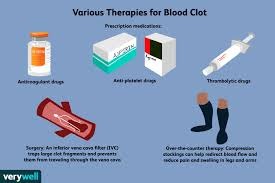
Therapy for Pulmonary Embolism
The therapy for pulmonary embolism is mostly about stopping the clot from growing any further, plus helping blood flow go along more smoothly and evenly.
Blood Thinners
Anticoagulants, or blood thinners, will keep a clot that is already present from enlarging, and they also reduce the chance of new ones developing.
Clot-Dissolving Drugs
In severe cases of pulmonary embolism, thrombolytics are used so the clots can be broken down quickly.
Surgical Procedures
In cases that threaten life, removing the clot either via surgery or catheter methods is an option for doctors.
Long-Term Monitoring
Continuing patients may have to be on regular check-ups and medication regimes to make sure that there is no recurrence.
How to Prevent Pulmonary Embolism
Stopping deep vein thrombosis is the surest way to ward off a pulmonary embolism, honestly. If you can prevent the first issue, the lung problem usually won’t happen, at least not as often.
Essential prevention steps are:
- Keep physically active
- Walking during long trips
- Producing a healthy weight
- Ingesting sufficient water
- Staying away from smoking
- After surgery, adhering to medical advice
- When prescribed, use compression stockings
- Properly managing chronic medical conditions
If you make just a handful of small changes in your daily routine, the likelihood of getting a pulmonary embolism can be greatly reduced, even if it seems like nothing special.
Conclusion
A pulmonary embolism is kind of a very serious health situation, and it usually begins when a blood clot forms in the leg. At first, it might look harmless to you, but it can become dangerous pretty quickly, especially if it travels into the lungs and then blocks the blood flow there. If you take a bit of time to really understand the symptoms, the underlying reasons, and the risk factors tied to a pulmonary embolism, you’ll be in a better spot to notice when hospital care is truly needed. You can also try a few small, practical steps before things start getting worse, kind of quietly, before they become a bigger issue
If you suddenly feel extremely short of breath, have chest pain, or notice one leg that looks swollen, and it seems like it’s pointing toward a blood clot, then go to the emergency room immediately. A quick diagnosis and early treatment are, in many cases, one of the strongest ways to help prevent severe outcomes and to save lives for people who are dealing with a pulmonary embolism.
Leave a Reply