
Table of contents
How Chronic Stress May Affect Muscles
Brain Fog, Anxiety, and Emotional Overload
The Possible Link Between Stress and Immunity
Chronic Stress and its effect on sleep
Can Rhodiola Help With Stress?
Introduction
Getting productive at all times, working long hours, and the constant mental pressure are habits that occupy most of us these days.
However, the biggest part of society tries to ignore even the first signs of stress until their bodies give up, their minds get really mad, and their sleep patterns are completely damaged. Only at this point do symptoms become impossible to overlook.
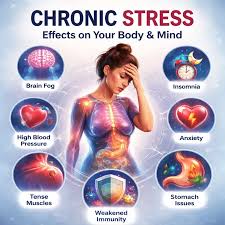
Nevertheless, a physical body is just one side of the coin. The impact of chronic stress on the body can even go beyond the changes it causes in the mood.
What chronic stress
Stress over time can cause a person’s body to produce abnormally high levels of cortisol, which is the most important stress-inducing hormone.
The first thing that you need to know about cortisol is what it does inside the body. And this knowledge will only be the first step in your understanding of the whole system that makes chronic stress so destructive to your mental and physical health.
The unnecessarily high and long-term elevated levels of cortisol can affect not only the brain and the emotional center but also lead to whole-body changes.
What Is Cortisol?
It is basically the adrenal glands that make this hormone, and it is part of how the body reacts to stress, sort of vital stuff for the overall stress response.
If it is only a short burst, then cortisol will be a positive factor. That is because it:
- It helps quickly raise energy levels.
- It improves the person’s alertness.
- It regulates blood pressure.
- It supports the body when undergoing an emergency.
On the other hand, elevated cortisol levels for a prolonged period may result in a situation where various body systems become overworked, which could lead to wear and tear of the body.
How Chronic Stress May Affect Muscles
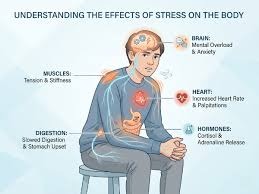
One of the insidious side effects of chronically elevated cortisol is how it plays with your muscles, sort of in a quiet way, you know. Since cortisol is catabolic in nature, it can end up breaking down muscle tissue while the person is stuck under stress for long stretches of time.
Muscle Weakness and Fatigue
Scientists believe that if an individual undergoes long-term stress, muscles can end up getting weaker, and they can feel more tired over time.
- Muscle recovery may be affected
- Mental strength may decrease
- Performance in sports may go down
- The level of energy may be compromised
Several people become aware of their weakness in the hips, shoulders, or core muscles when the combination of stress, along with inadequate sleep, persists over a long time.
Stress, Weight Gain, and “Stress Belly”
Elevated cortisol levels are associated with an alteration in body fat storage.
Since stress hormones burst into the body, working with the bloodstream to free glucose quickly, if the energy is not expended physically, the body will decide to store the excess calories as fat on the belly.
Some changes that chronic stress may lead to are:
- Increase in belly fat
- More cravings for sugary foods
- Emotional types of eating
- Energy low points
Besides, this inconsistent sleep routine may be one cause of problems or sorts, since it can mess with the hormones that do the job of appetite and also hunger timing.
Brain Fog, Anxiety, and Emotional Overload
One major reason behind stress is that it can make brain neuron cells get damaged, and then they become faulty, and well, that is linked with anxiety too.
Those under chronic stress frequently describe symptoms such as the following:
- Brain fog
- Difficulty in focusing
- Becoming edgy
- Nervousness
- Tired mentally
- Being emotionally overwhelmed, or, like, constantly on edge because the stress hormones run high, the nervous system feels pretty much on a hair trigger, so it is hard to really downshift and recuperate from that mental strain.
The Possible Link Between Stress and Immunity
One of the major interactions of the human body is in the areas of immunity and stress.
While short periods of stress may boost immune response temporarily, ongoing stress may result in an immune system that is out of balance and increased inflammation.
Scientists say that long stretches of stress don’t just steer inflammatory biochemical signaling, but they also affect sleep quality, how the body physically recovers, and even the immune system’s strength plus its quickness to respond.
Right now, ongoing research is looking at how chronic stress might have a link with chronic inflammation-related conditions, or basically illnesses that stick around for a while.
Chronic Stress and its effect on sleep
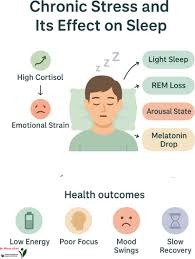
Cortisol naturally follows a daily rhythm, like it has its own plan all day long, and when stress stays high, it sort of gets out of alignment.
In most cases, the amounts are a little higher in the morning, and they are lower at nighttime, though it can vary.
Wearing down of the body and psyche may result from constant stress that, among other things, disrupts this natural rhythm, which leads to a
- Difficulty in falling asleep
- Unrestful sleep
- Lack of deep and restorative sleep
Sleep quality loss results in the worsening of:
- Weariness
- Desire for sugar
- Emotional changes
- Hormonal dysfunction of cortisol
It is really a vicious circle that keeps going in both the mental and physical domains.
What Is Rhodiola Rosea?
Rhodiola Rosea is an herbal supplement people use quite often, and it sort of lands in the adaptogens group, basically.
In simple terms, adaptogens are natural substances that are said to help the body handle physical stress along with emotional strain, yeah, just like that, pretty much.
Traditionally, rhodiola is used as an adaptogenic herb in practice.
- Mental endurance
- Stress resistance
- Physical performance
- Fighting fatigue
–
Can Rhodiola Help With Stress?
Recent investigations point to Rhodiola may be an option for stress support.
Among its effects, the most commonly studied are the following:
* Reduction of mental tiredness
* Enhancement of focus
* Better tolerance of stress
* Strengthening of physical recovery
Yet not everyone will experience the same results, and in the meantime, we still need bigger studies to support these claims.
FAQs
Can chronic stress affect muscles?
Muscular fatigue, delayed recovery, and physical weakness may be brought about by long-term stress.
Does Rhodiola help with stress?
Research on animals and tests on humans have shown results on how Rhodiola manages to give the body better access to stress by promoting a reduction in mental fatigue.
Can stress affect sleep quality?
Definitely. Having raised levels of stress hormones might be obstructing the different phases of sleep.
Final Thoughts
Stress should not be perceived as only an emotional state that brings about a change in mood. It also causes a change in the level of hormones, metabolism, sleep, muscles, and brain function.
Stress is and will always be a normal human experience. The problem appears when it becomes persistent and unnoticed that a person’s physical and mental well-being is already affected.
Being aware of the impact of cortisol on the body will assist a person in the early recognition of stress by adopting the best change in existing coping mechanisms.
Alongside the adoption of a healthy lifestyle in terms of exercise, good quality sleep, optimism, and balanced nutrition, ultimately, the stress management tool, Rhodiola, might just be the nudge that will support the efforts of the body in building resilience and recovering from stress.
Leave a Reply