

Table of contents
How the immune system in MS attacks
Introduction
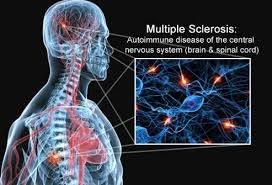
The brainstem serves as an essential part of the human body’s nervous system. The brain acts as a central link, enabling communication between the brain and the spinal cord. This connection allows the body to perform crucial functions such as breathing and swallowing, movement coordination and balance, and vision control and sensory processing.
What is multiple sclerosis?
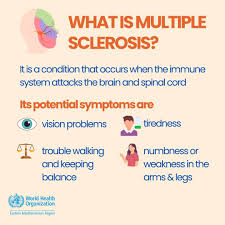
Multiple sclerosis (MS) is an autoimmune disease that causes brainstem damage by attacking myelin, which serves as protection for the nerves. The effects from this condition can lead to severe consequences that impact a person’s life.
Functions of the brainstem
The brainstem functions as an essential control center because it maintains fundamental life processes. The brainstem controls essential involuntary functions, which include:
• Heart rate
Breathing
Eye movements
Facial sensation
Swallowing
Coordination and balance
The area experiences damage, preventing the brain from transmitting signals and resulting in multiple symptoms.
How the immune system in MS attacks
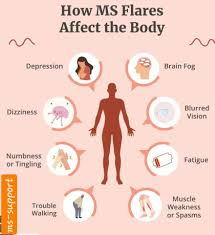
The immune system in MS attacks myelin, which leads to both inflammation and scar tissue formation. The process has a profound impact on brainstem function because it affects these three areas:
- Motor Functions
Patients may experience:
Have weakness in their arm and leg muscles.
Face challenges with walking
Have facial muscle weakness.
Patients experience difficulties with their coordination abilities - Sensory Functions
Damage may result in the following symptoms for the patient:
Lose their ability to feel touch.
Feels tingling sensations throughout their body.
The patient experiences electric shock sensations in their body.
The patient experiences loss of balance control skills.
3. Eye and Vision Problems
Common issues include:
- Experience double vision
- Patients have nystagmus, which causes their eyes to move rapidly and uncontrollably.
- Patients have difficulty with their ability to focus on things.
4. Speech and Swallowing Issues
The brainstem controls mouth and throat muscles, which MS affects to cause slurred speech and choking episodes and difficulty swallowing liquids or food.
Early Recognition Is Key
Medical professionals need to recognize symptoms early because brainstem involvement can progress rapidly. The standard method to detect lesions in this specific region employs MRI scans as its primary tool.
The treatment process total includes the following:
Corticosteroids for inflammation reduction
Disease-modifying therapies (DMTs)
Physical therapy, which improves mobility
Speech and swallowing therapy
Conclusion
The brainstem plays an essential role in maintaining everyday functions. The brainstem experiences major functional loss because MS causes extensive brain damage. The understanding of risk factors enables patients and their caregivers to make preparations for receiving an initial diagnosis and treatment, which will proceed towards their ongoing medical care.
Leave a Reply