
Table of contents
New Approach: Training the Immune System Like It Fights Viruses
Promising Results in Various Tumor Models
Advancing Toward a Universal Cancer Vaccine
Strengths of mRNA Technology Increase
Introduction
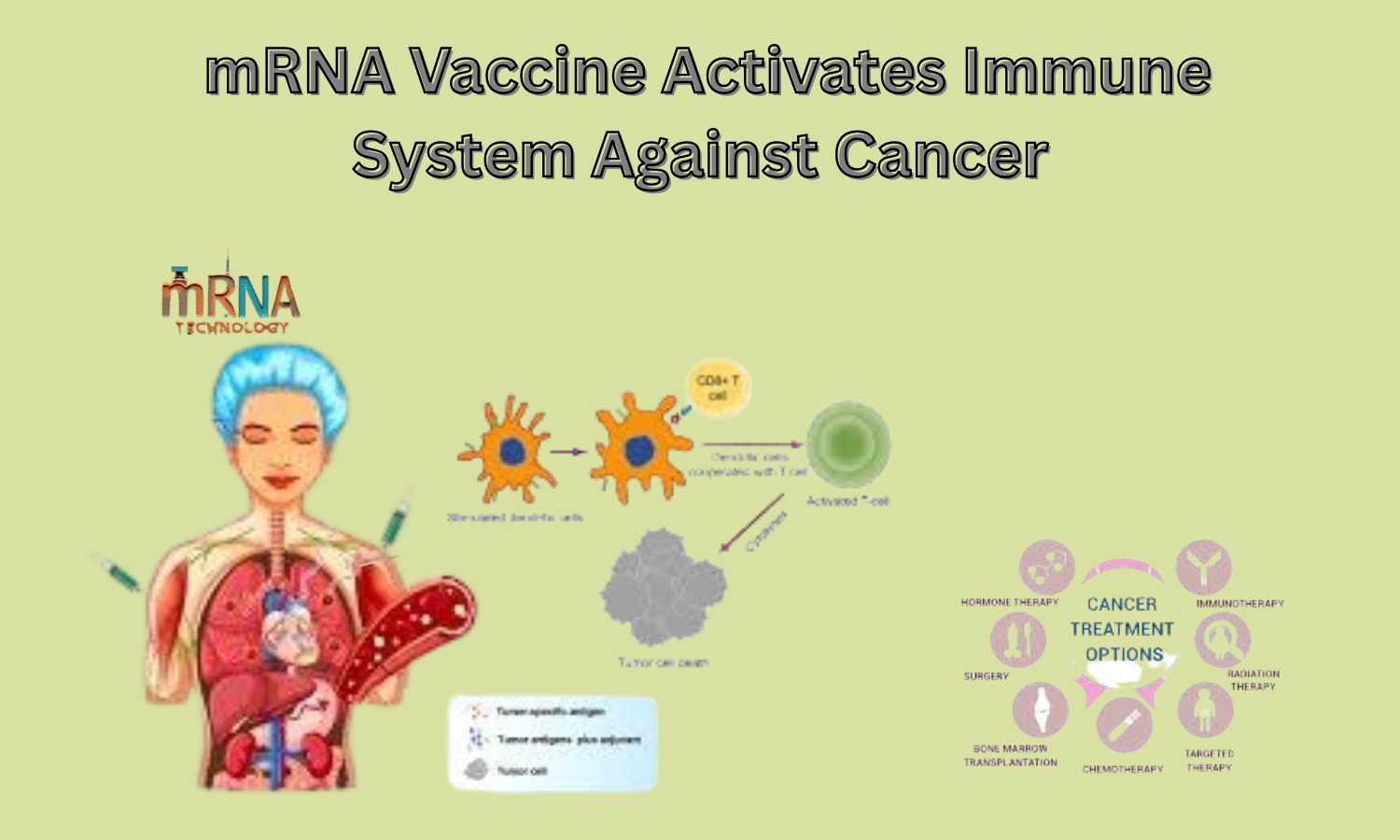
Twenty-five years after the first faint attempts using immunostimulants to treat cancer, the field of oncology has come full circle, as scientists have now heralded a novel path ahead by announcing the potential use of in situ mRNA for the immunotherapy of cancer. Unlike conventional cancer vaccines that target particular tumor markers, the new approach stimulates a whole-body immune response, similar to that triggered by viral infections. Early findings in mice, though, raise hopes for a broader, more flexible way of delivering cancer therapy.
New Approach: Training the Immune System Like It Fights Viruses
While familiar with multiple unique markers on the outer surface of cancer cells, existing cancer vaccines face difficulties in targeting wide-ranging tumor types.
This new experimental mRNA vaccine is dependent on imparting the immune response to the body as a whole, like nothing else.
Instead of targeting a specific tumor antigen, this mRNA activates the immune system in a more generalized but powerful way, similar to what the body would do normally in fighting viruses.
Researchers argue that the immune system would work by fully cranking up the immune system to more alert and aggressive levels, setting it up for attacks on cancer cells of every type
Promising Results in Various Tumor Models
Preclinical testing was done on the vaccine by using mice, which yielded success in minimizing tumors of different malignancies, including
Melanoma (skin cancer).
Bone tumors
Brain tumors
Such evidence substantiates the broad-spectrum potential of this vaccine, a most atypical occurrence in cancer vaccine research.
There was enhanced immune activity just before and just after vaccination; immune cells, especially T cells, were more responsive and capable of better attacking tumor cells.
Enhancing Current Treatment
Another beautiful discovery that has been made about this vaccine technology is its capacity to also make tumors sensitive to the very therapies in use today in immunotherapy.
The reason for most of these malignancies acquiring resistance to these types of therapies is their switching off the expression of some proteins that are mainly responsible for the immune system’s recognition of them. The result of this type of mRNA vaccine is to upregulate these protein markers on tumor cells for the immune system’s easy recognition of tumor cells as such.
After vaccination, the researchers started to note new signs of response in tumors, which were previously considered resistant to therapy.
Essentially, this double effect of boosting an immune attack while weakening the tumors could bring about a great enhancement in treatment outcomes.
Advancing Toward a Universal Cancer Vaccine
It does not involve a single tumor-specific protein, scientists argue, and this might be a step toward a universal cancer vaccine.
Such a vaccine would:
Treat many cancers
Reduce reliance on highly personalized approaches
Facilitate decision-making by clinicians
Make oncocare available and inexpensive
Meaningless text can hopefully drive the growing creative process among treatments in different areas, which have been achieved thus far.
What’s the Next Step?
The researchers would add that although the expectation is quite high, the results need more investigation before any such vaccine can be subjected to human trials.
Some major questions left hanging are
What would be the safest, most effective dose?
How would it interact with human immune systems?
Would there be any long-term risks associated with it?
Can they guarantee safety in implementing immune activation from one patient to the next?
Only human clinical trials will reveal the marrow of safety, efficacy, and long-term outcomes.
Strengths of mRNA Technology Increase
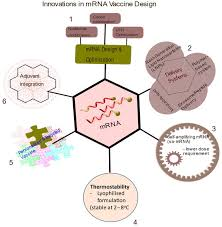
This study continues to showcase the agility of the mRNA technology amid the position of its deployment during the COVID-19 pandemic.
It was and still is far more rapidly developed, modified, and friendly towards a multitude of diseases in this modern day. Thus, mRNA vaccine success against infectious diseases initiated the speculation of using mRNA in cancer, autoimmune diseases, genetic disorders, and the like.
Should this experimental vaccine prove beneficial, it will turn the paradigm upside down—a flexible, strong, and accessible potential treatment for cancer.
Conclusion
The experimental mRNA vaccine for cancer develops a precursor for further cancer research. It has promise for reducing specific tumors, enhancing immunotherapy, and nearing a universalizability of a cancer vaccine by general activation of the immune system.
This innovation is still in its infancy, and it promises a brighter future when cancer treatment will be much more personalized, powerful, and accessible to all.


Leave a Reply