Tables of contents
The Liver as the Unexpected Hero
The Takeaway for Your Daily Life
Introduction
People continue to follow the same exercise practices that have existed for many years because they think that physical activities should be done to improve their heart health with running, their muscle strength with weightlifting, and their joint flexibility with stretching exercises. People have always known that effective physical exercise helps to eliminate mental fog, which clouds their thinking. Scientists still need to identify the biological processes that control all functions in living creatures.
Researchers’ overview
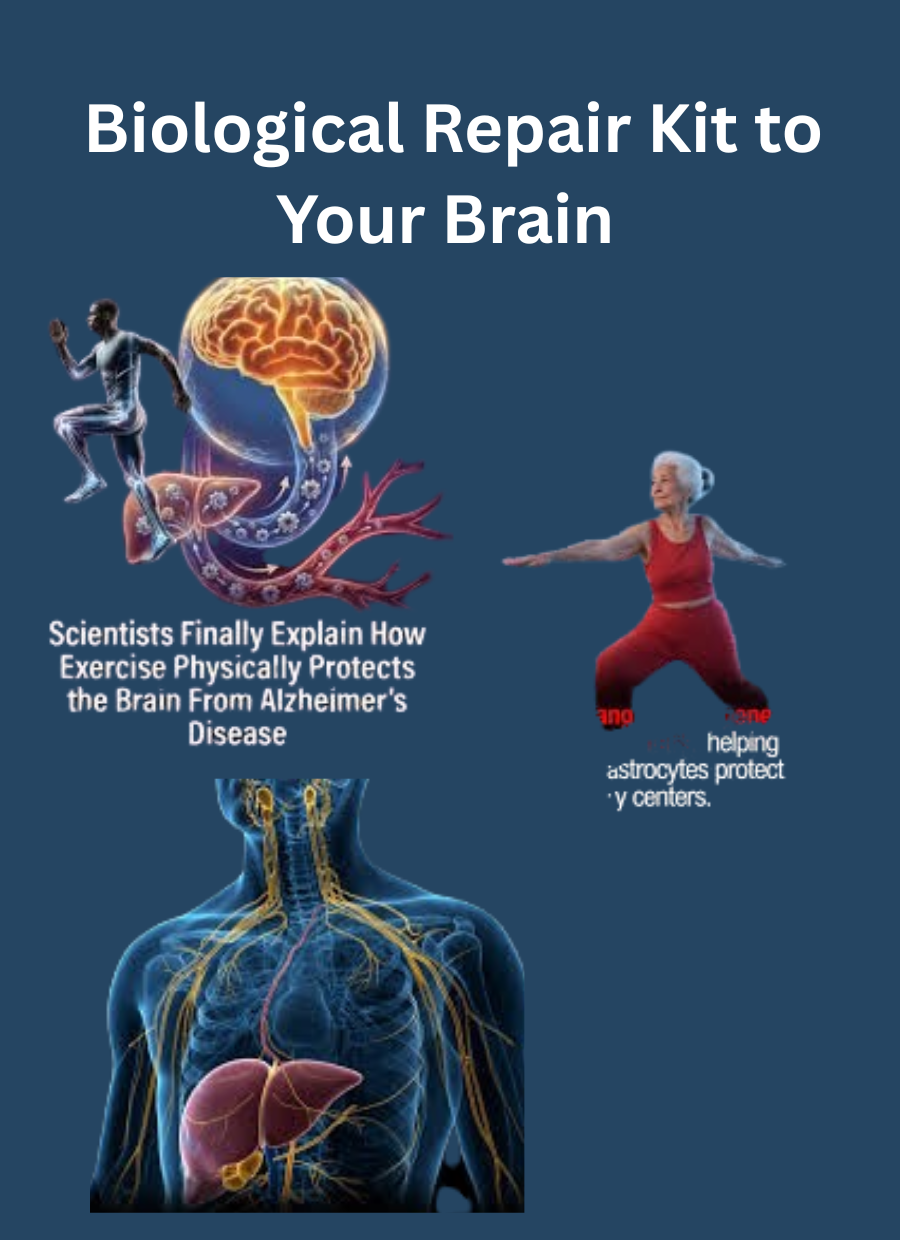
Researchers from the University of California, San Francisco, have demonstrated through their studies that body organs use outreach systems to send signals for their inter-organ communication. Your body remains in a state of continual movement when you perform physical activities because your muscles throughout your entire body undergo active motion. Your liver operates as a modern dispatch center that delivers repair materials directly to your brain to help restore its damaged security system.
The Blood-Brain Barrier
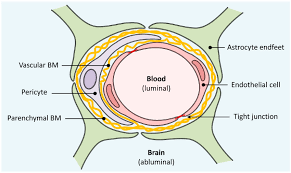
The blood-brain barrier (BBB) protects the brain through its security system because it creates a protective environment that blocks harmful substances from entering the human brain. The brain operates as a protected vault that contains the most confidential information available. The BBB functions as a solid metal barrier. This selective barrier allows basic nutrients to pass through, but it blocks harmful substances, infectious agents, and body waste from reaching the vital regions of the brain.
The process of aging leads to the first “steel door” rusting problem, which becomes permanent after that point. The door’s hinges become poor, and the door seal starts to develop physical damage.
The body develops a condition that people refer to as a “leaky brain” because it allows inflammatory proteins to flow from the body into the brain. The body develops a condition that permits invaders to enter protected areas after they gain access to the space. When the barrier experiences leaks, your memory becomes less clear, your cognitive processing abilities decrease, and your security system starts to deteriorate.
The Liver as the Unexpected Hero
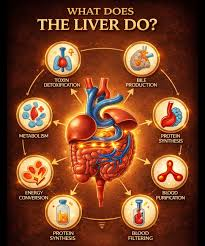
The UCSF team, led by Dr. Saul Villeda, wanted to determine whether the exercise benefits could be “transferred” to other systems. The researchers took blood from “marathon-runner” mice who exercised regularly and injected it into sedentary elderly mice. The old sedentary mice suddenly demonstrated equal memory functions as their active counterparts.
The search for the “magic ingredient” in the blood led them straight to the liver. The liver begins to produce an enzyme named GPLD1 when people engage in physical exercise. The brain exists as a separate control center that receives its study results, which demonstrate that the brain exists as a separate control center that maintains close ties with the metabolic health of internal organs. Your liver operates as a physical activity monitoring system that detects all your activities. Your body begins protecting the upstairs “home office” area when you start to move around.
How the “Repair Kit” Works
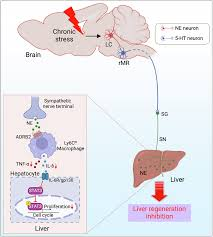
GPLD1 doesn’t actually cross the blood-brain barrier itself. The biological element functions as a locking system that works to secure barrier access from outside. The bloodstream delivers this substance throughout the body to remove particular dangerous proteins that have settled on the blood-brain barrier’s exterior surface.
GPLD1 helps the BBB restore its original state by “cleaving the rust” that exists on its outer surface. The UCSF study proved that researchers could achieve their intended research objectives by increasing GPLD1 levels in older mice to the desired level. The barrier accomplished its function to prevent toxin entry into the body. The barrier restoration process stopped brain inflammation at its source by repairing the damaged barrier region. The research established that ginkgo enhances neurogenesis through its ability to increase neuron formation in the hippocampus, which serves as the brain’s memory hub.
The most exciting part? The mice didn’t even have to run a marathon to see these benefits. The researchers achieved the same cognitive benefits that intense exercise provides by raising liver enzyme levels through the application of biotechnology.
Movement is the message.
The potential development of a “GPLD1-based exercise pill,” which assists people with physical disabilities, represents an intriguing potential future. However, everybody else has to acknowledge that “movement functions as a biological signal” to their bodies. Your outdoor activities provide various benefits beyond weight reduction because they create a direct link between your body and liver functions. Your body sends a signal to your liver, which initiates the process of restoring your brain’s defense mechanisms. You are literally mailing yourself a dose of cognitive longevity.
The research results shown here should generate new perspectives about aging among scientists. The brain undergoes cognitive decline because it develops a state of “fading away,” which results from organ communication difficulties. People who remain active will keep their organ communication channels operational.
The Takeaway for Your Daily Life
The liver and brain share a special connection because the liver functions as an organ that quickly reacts to internal changes. The body requires exercise consistency instead of perfect fitness levels to begin the process of enzyme production. Your body experiences constant security system trials from both environmental factors and time passage. All security system problems can be solved using the tools that your liver stores.
The mind does not require protection through professional athletic achievement. The liver needs a reason from you to begin sending the package.
Leave a Reply