
Table of contents
The Rise of the Quantified Self
Nutrition: From Logging to Biofeedback
Digital Wellness and Mental Health
The Smart Environment technology system
The Caveat: Mindful Integration
Introduction

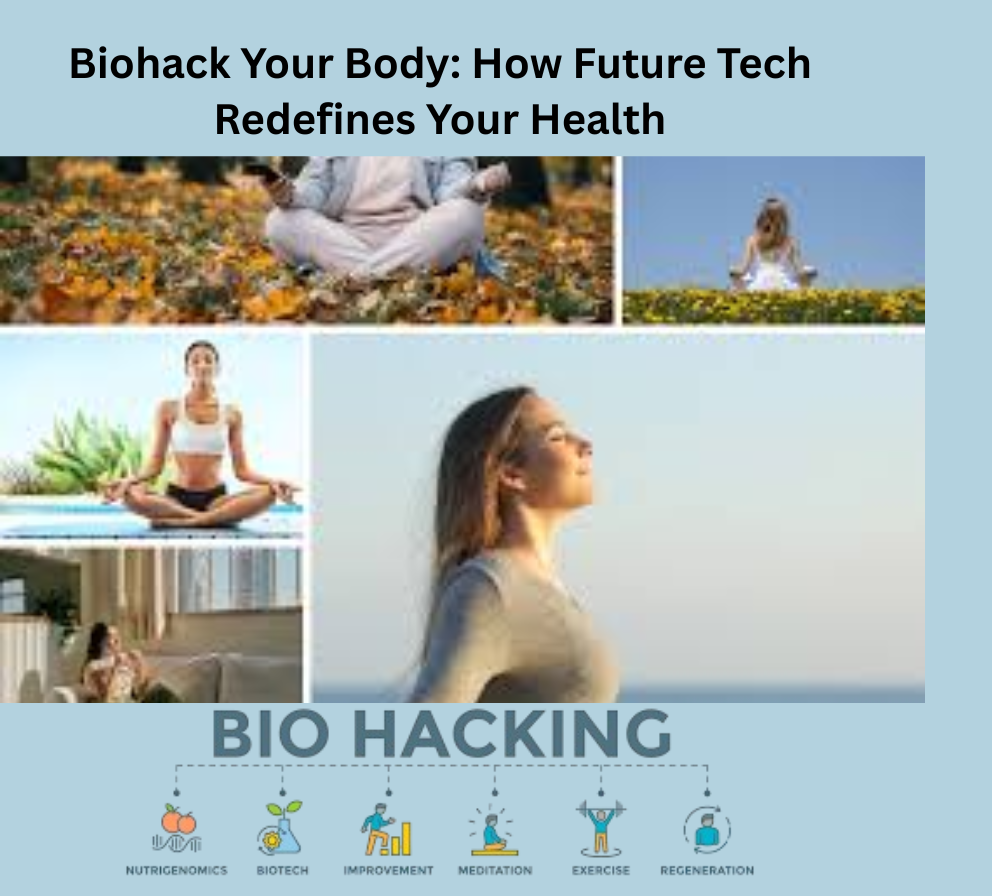
The present day faces criticism because it encourages a way of living that leads people to become sedentary through their prolonged use of laptops and smartphones. The ability of these technologies to receive food through delivery services at their homes.
The technological system that creates these patterns of behavior simultaneously delivers to human beings their most advanced resources, which can reverse those patterns.
Today, people need technology to monitor their steps to build a personal health system. They can use data to improve their physical and mental health with better nutritional habits.
The Rise of the Quantified Self
Health technology systems depend on the Quantified Self framework because it uses technology to show human health measurements. This system uses sensors and software to monitor human biological functions from their beginning point to their final output stage.
Heart Rate Variability (HRV):
Smartwatches and rings have advanced from their original function as basic pedometers to become medical-grade devices that monitor heart rate variability (HRV).
Blood Oxygen Levels ($SpO_2$):
Vital for blood oxygen levels ($SpO_2$), which doctors use to evaluate patients’ autonomic nervous system function and their respiratory health and sleep patterns.
Sleep Architecture:
Advanced sensors display three complete sleep stages, which include deep sleep, REM sleep, and light sleep. The information allows you to make decisions based on what you have analyzed.
Your HRV level triggers a technology recommendation, which suggests a “rest day” before you develop physical signs of overtraining. The method helps people protect themselves from exhaustion while preventing them from sustaining injuries
.
AI and Personalized Fitness
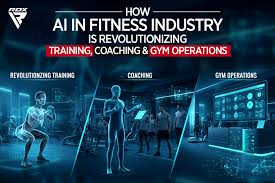
People no longer use exercise DVD programs as their main workout method. The development of artificial intelligence (AI) technology has made personal training accessible to all individuals. The latest fitness applications use machine learning algorithms to determine your best exercise intensity by evaluating your previous performance, your existing energy state, and the current weather conditions.
The AI system adjusts your running speed and distance during marathon training based on your actual performance.
Home gym devices with 3D sensors provide users with form-correction functions that notify them when their back bends during deadlifts or when their squats fall short of proper depth. Basic users of the system can access professional coaching, while newcomers receive assistance for their initial learning process.
Nutrition: From Logging to Biofeedback
Better dietary choices become available to you after learning that oatmeal causes your body to experience a major glucose increase despite being considered a healthy food.
The combination of smart kitchen scales and computer vision-based food portion identification apps enables users to track their food intake without any interruptions.
The essential element of mental resilience functions as a vital component that supports a complete, healthy lifestyle.
Digital Wellness and Mental Health
Smartphones: Smartphones serve as stress sources for users because they deliver mindfulness and therapy solutions through their primary method of operation.
Meditation Apps:
The Calm and Headspace platforms use gamification methods to help users develop regular mindfulness practices through their meditation applications.
Teletherapy:
Through its video-based sessions, which users can watch whenever they want, Teletherapy provides mental health services to all clients.
Circadian Rhythm Optimization:
Users can design their own lighting systems to achieve circadian rhythm optimization through smart lighting systems, which allow them to copy the entire sun movement pattern of the day.
The system automatically shifts to amber tones, which have a lower temperature than 3000K during the evening to reduce blue light exposure, which helps your body produce melatonin to sleep naturally.
The Smart Environment technology system
A smart environment technology system connects all your clothing items, but it also links to all spaces in your home.
A smart home can function as a healthy home because it has all the necessary features for a healthy home.
The air quality monitoring system detects elevated levels of CO₂ or volatile organic compounds (VOCs) and initiates air purification through its automatic response function. The smart water bottles use their glowing feature to establish hydration reminders, which determine the optimal water intake for users based on their current weight and activity level.
The design goal establishes an atmosphere that makes the automatic selection of healthy options the default choice. Your environment provides continuous active alerts, which encourage you to practice movement and breathing exercises and hydration. Users need to maintain ongoing contact with their device because technology access requires them to use every part of their system.
The essential protective measures that the solution establishes help to manage how people use technology throughout their daily lives.
The Caveat: Mindful Integration
The solution establishes essential protective measures that assist in controlling technology usage by people. Users should monitor their metrics because excessive monitoring leads to sleep quality anxiety and sleep-related stress problems
Users must utilize technology as their compass tool, which shows them their direction but does not restrict their movement. Your body needs to be listened to while you use data to spot repetition patterns. Your daily activities should be governed by technology, which should function as a service to support your entire life.
Conclusion
The process of technology integration into your health journey transforms the general objective of “becoming fit” into a detailed scientific approach that you can effectively manage.
The combination of wearable technology, AI data, and smart environmental control systems creates a sustainable path to extended life. Would you like me to design a personalized health technology system that will assist you in reaching your weight loss or sleep enhancement objectives?
Leave a Reply