
Table of contents
The Hyper-Vigilant Amygdala: A World Turned Hostile
The Shrinking Hippocampus: Memory and Learning Under Fire
The Prefrontal Cortex: Losing the “CEO.”
The Biological Fallout: Cortisol and “Inflammaging”
The Sleep Paradox: “Watchman’s Sleep”
Overview
The ancient world saw social isolation lead to death for most people, while modern society permits isolated people to live without social interaction. The tribe’s expulsion from the tribe created a lethal situation because the exiled person had to defend against wild animals while searching for food and battling weather conditions.
Human evolution created a complex system that enables people to recognize social connections between others. The system greatly contributes to the experience of loneliness since social bonding was a must for the survival of our ancestors in the wild.
Prehistoric dangerous animals such as saber-toothed tigers don’t exist anymore; however, the human brain still shows anxiety signs. It is believed that the brain interprets long-term loneliness as a situation similar to physical pain caused by an injury. Scientists have come to know that loneliness is more than an emotional burden, as it acts as a biological poison, destroying the brain structures while causing body-wide inflammation and speeding up the aging process.
The “Social Hunger” Mechanism
The drive is responsible for producing damage, so first, we need to understand which force created the drive. Research using fMRI scans has shown that when people are isolated, their brains react to pictures of social interaction the same way a starving person’s brain reacts to a picture of a sandwich.
The brain’s reward center, known as the striatum, activates a connection urge, which creates connection. The brain enters emergency mode after months or years of unfulfilled craving. The brain system stops searching for rewards and shifts to complete survival mode, which creates neurological system deterioration.
1. The Hyper-Vigilant Amygdala: A World Turned Hostile
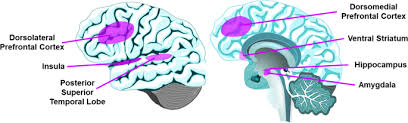
The amygdala functions as the brain’s first line of defense since it is the body’s alarm system that detects threats.
The amygdala requires protection from the prefrontal cortex in social settings because the prefrontal cortex functions as the brain’s rational CEO, who controls its functions.
The lonely brain directs its amygdala to display an extreme reaction. The brain believes every situation contains a hidden threat because it lost its ability to recognize safe situations without a protective “tribe,” which would provide safety through group membership.
Hypervigilance results from this condition.
The Damage: Your subconscious mind begins active detection of potential social dangers. All social cues lead you to believe that others possess hostile intentions against you. A neutral facial expression makes you believe someone is angry, while you treat a friend’s delay in texting as evidence that they will abandon you.
The Result: The social cognition that develops through maladaptive behavior leads people to become lonelier while they develop more distrustful behavior, which isolates them from potential social help.
2. The Shrinking Hippocampus: Memory and Learning Under Fire
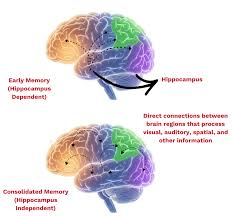
The hippocampus serves as the area responsible for creating memories and helping people move through physical spaces. The brain has two active regions that create new neurons through the process of neurogenesis.
The hippocampus becomes less efficient through the effects of social isolation, which functions as an “anti-fertilizer” for this brain region. The hippocampus shows evidence of shrinking through studies about extreme isolation, which relates to solitary confinement and polar expeditions.
Chronic stress caused by isolation prevents the body from creating Brain-Derived Neurotrophic Factor (BDNF). The brain loses its ability to change its structure when this protein is absent. Knowledge of establishing new abilities and emotional balance is affected by this condition.
3. The Prefrontal Cortex: Losing the “CEO.”
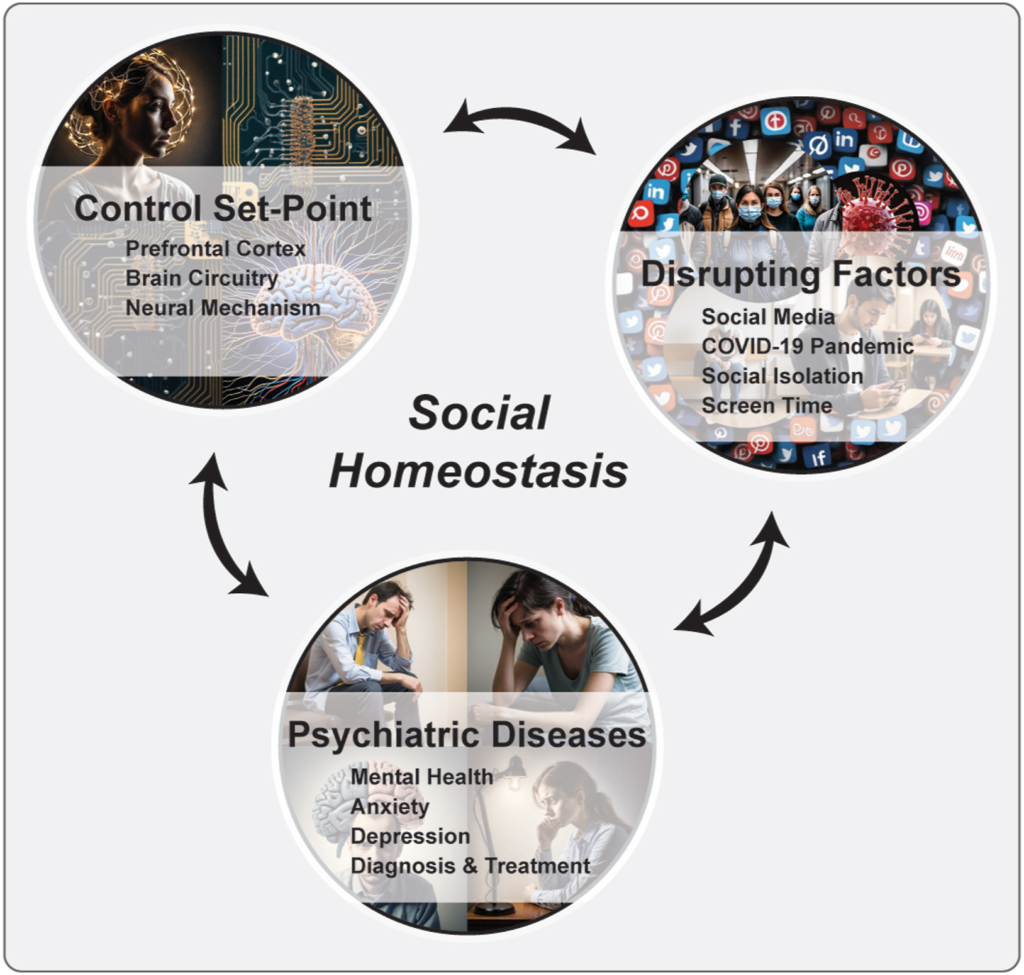
The prefrontal cortex (PFC) is like the brain’s executive control center, enabling self-restraint and complex decision-making. Loneliness impacts the communication between the PFC and other parts of the brain.
The PFC controls emotions through its top-down system. The ability to function disappears when the area becomes impaired. Lonely individuals experience the same emotional control problems as drug addicts and binge eaters. The situation leads to high chances of developing depression and other clinical symptoms. The brain has lost its ability to self-soothe.
The Biological Fallout: Cortisol and “Inflammaging”
Our DNA sustains damage because it affects our DNA while it damages our gray matter. Chronic loneliness keeps the body’s HPA axis (the stress response system) stuck in the “on” position.
Cortisol Overdose: The brain experiences cortisol overload because the stress hormone floods the brain. Cortisol benefits the body through short periods of application. Chronic application of cortisol creates neurotoxic effects that kill brain cells and disrupt the function of neurotransmitters like serotonin and dopamine.
The research of Dr. Steve Cole has shown that loneliness leads to changes in gene expression. The body activates genes that cause inflammation while it shuts down genes that protect against viral infections.
The Alzheimer’s Connection: This chronic inflammation is a fast track to neurodegeneration. Some studies indicate that chronic loneliness increases the likelihood of Alzheimer’s disease development by 40% among affected individuals.
The Sleep Paradox: “Watchman’s Sleep”
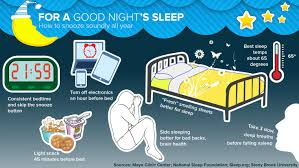
Loneliness halts the brain from using its natural system to wash away waste products. The brain’s glymphatic system, which functions during deep sleep, cleans the brain of metabolic waste, and among this waste are amyloid-beta plaques.
The lonely brain is prevented from deep and restful sleep because it is overwhelmed by anxiety to a high level
Researchers define this process as “micro-awakenings.” The brain maintains a state of shallow sleep to stay aware of possible threats that might be dangerous to its protection. The brain of a lonely person lacks access to deep restorative sleep, which hinders their ability to conduct brain maintenance work, resulting in cognitive fog and permanent brain harm.
Can the Brain Heal?
The most remarkable feature of the brain is its neuroplasticity. The damage caused by isolation is not necessarily a life sentence.
Social friction, which refers to small daily interactions, creates pathways that lead back to the brain to establish safe conditions. The amygdala’s alarm system will lower its alert state through high-quality social connections, which include both engaging with online support communities and spending time with therapists who provide direct assistance.
Conclusion
Loneliness becomes more than an emotional state because it destroys the mental framework of human beings. Our biological requirement for social connections functions like our need for air because we need both social connections and oxygen to survive. You must maintain your human connection to protect your mind from harm


Leave a Reply