
Table of contents
Implementing Virtual Reality into Mental Health
Interventions for Psychological Distress
Advantages of VR for Adolescents
Challenges and Ethical Dilemmas:
Introduction
Today’s adolescents are suffering extreme psychological distress, the underlying causes of which are academic pressure, social complications, and an ever-present digital culture.
As pressures increase, traditional forms of treatment for mental health have been unable to keep pace with such heightened demand, and VR is emerging in this area as an adjunctive solution for therapeutic purposes for such issues.
In providing a solution for psychological problems on a stress-management scale, VR’s greatest selling point is its immersive and engaging nature for the delivery of an intervention to adolescent audiences.
Implementing Virtual Reality into Mental Health
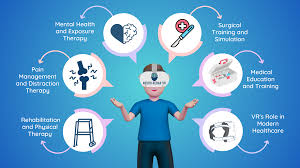
VR makes it possible to simulate an environment that appears like a reality or into which an entirely other reality may be introduced.
Under immersive environments created by such headsets, the functions visit some places where they take their contents built around training, relaxation, or exposure therapy.
For the adolescent audience, this could be described as providing an immersion into something that’s potentially rewarding, engaging, and much less clinical than other mainstream therapies.
Interventions for Psychological Distress

1. Stress and Anxiety Management
These environments, created within the VR setting, are dedicated to relaxation via exciting, calming environments or guided meditation sessions to enable the adolescents to indulge and facilitate relaxation, relieving their stress.
Emphasis has been on the potential of such environments to significantly reduce cortisol levels and provide immediate relief from anxiety to these adolescents.
2. Exposure therapy for phobias and traumas
Unlike adolescents who suffer from phobias or post-traumatic stress, in VR, treatments would be performed in a much faster and well-controlled environment. They would tackle heads-on with increasing intensity but under the guidance of a therapist who would develop their resilience over time.
3. Social Skills Training
Adolescents with social phobia or developmental disorders have a lot of difficulties communicating.
It kept the previous one as a starting point, followed by active discussion concerning the realization of casual job-like interviews or normal conversations often encountered in social settings, where different adolescents could practice better with a positive experience in a low-stress environment and build some amount of confidence.
4. Integration into cognitive behavioral therapy.
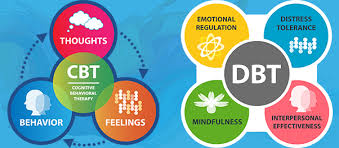
By integrating VR into CBT, scenarios that trigger the adolescent are simulated.
A hypothetical session might involve the client with test-generated anxiety virtually sitting in the exam room while the therapist, in real time, cues the client with various coping strategies.
5. Emotion Regulation
Interactive VR interventions will teach adolescents effective emotional coping strategies. While they work with simulated pressure situations, adolescents learn calming techniques and other emotional self-management skills.
Advantages of VR for Adolescents
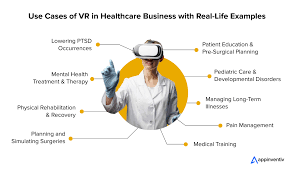
– Attractive: VR is a captivating and appealing form of intervention for the adolescent target group of therapy.
– Accessibility: It helps to reduce access barriers to mental health care by being made mobile-compatible and accessible to those adolescents who would otherwise be in far-off places.
Customization in the treatment program: The unique needs inherent in each patient will allow the VR program to be further personalized to offer a custom treatment experience.
– Reducing stigmatization: Teens may feel more comfortable advocating for new nonjudgmental technologies than for obsolete therapy methods.
Challenges and Ethical Dilemmas:
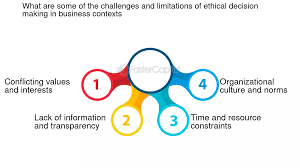
Of course, such advantages do not come without a whole array of challenges.
– Expensive: Expensive technologically and clinically useful VR might not be accessible to most families and institutions involved.
– Ethical Issues: The ethical use of VR content along with data privacy is the greatest need, especially regarding sensitive mental health information, and is paramount, particularly in these cases.
– Technology Addiction: Overuse of VR treatment may make the already existing problem of overdependence on viewing screens worsen, which currently remains a cause of concern for adolescents.
Future Directions
With the ongoing growth in affordability of VR technologies, there will be an increasing trend of popular use at the clinical level in caring for adolescents. The development of sufficiently clinically effective, evidence-informed VR treatments may be accelerated through collaborations between tech companies with mental health practitioners and academic institutions. Both long-term outcomes involving VR as an intervention modality and safety within psychological treatments are important.
In conclusion,
VIRTUAL REALITY revamping adolescent mental health treatment through innovative programming provides attractive yet effective tools for engaging and inspiring better management of psychological distress. As technology continues to evolve, virtual reality is poised to emerge as an effective tool for adolescent mental health care, enabling young people to confront their worries while building resilience against future challenges.


Leave a Reply