
Table of contents
The Benefits Associated with Being Digital Gyms.
The Technology Features of the Digital Gym.
Considerations When Selecting the Right Digital Gym
What Is Digital Gym?
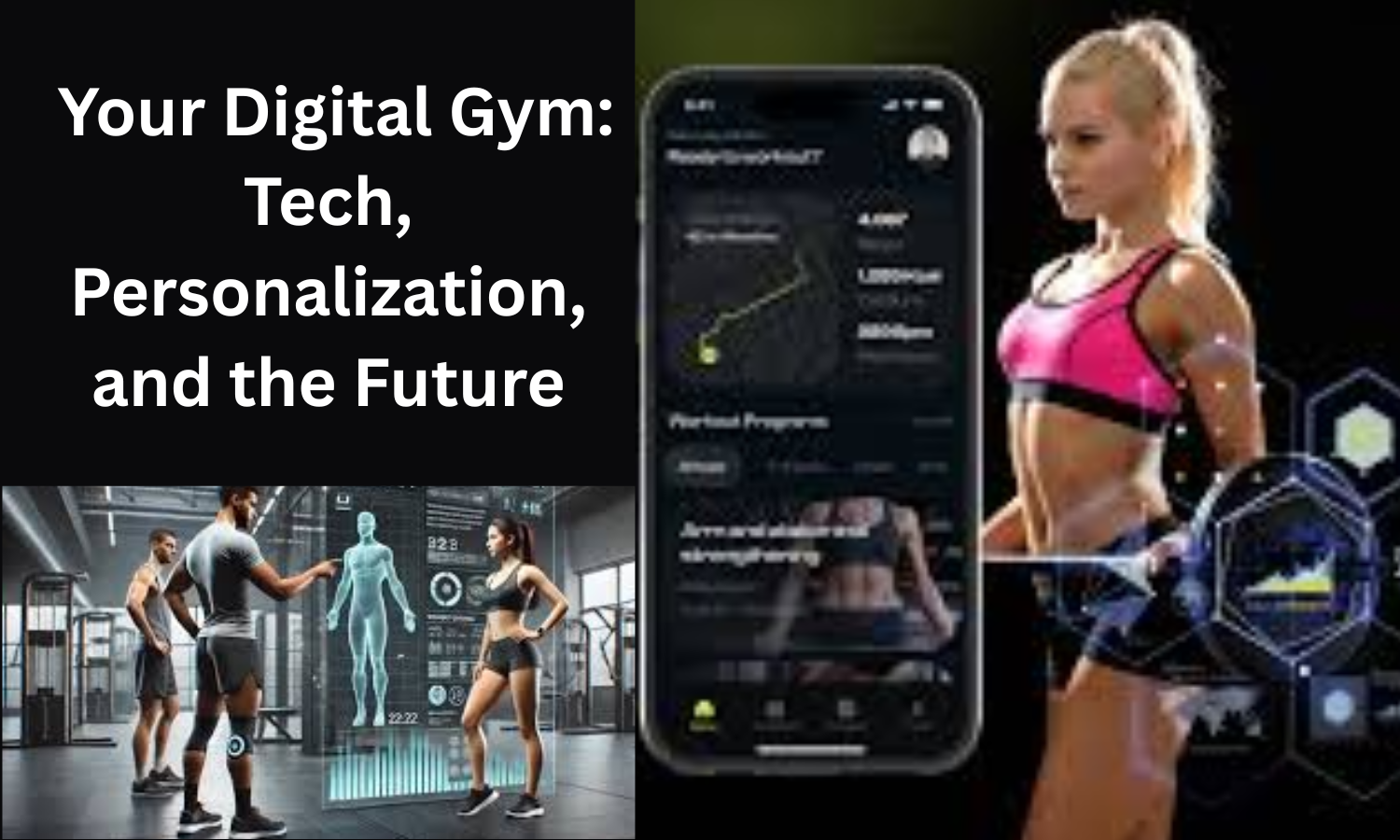
A digital gym is a place where you can experience a fitness program delivered directly to your smartphone, tablet, laptop, or smart TV via the Internet or by using an app. Unlike a traditional gym that you attend in person, digital gyms place workouts at your fingertips—anytime, anywhere.
They provide users with different virtual workout formats, including “live classes,” “on-demand video,” or “AI-generated workout generator.” Strength training, cardio, HIIT, yoga, Pilates, stretching, boxing, and even rehabilitation exercises may fall under the programs.
Most digital gym facilities use an intelligent AI (Artificial Intelligence) engine and ML (Machine Learning) to customize workout regimes based on your performance history, physical state, goals, and preferences, and offer workouts as you progress.
“This situation of exercise applications also integrates wellness, pairing with accessories such as health and wearable fitness devices (like Fitbit, Apple Watch, Garmin, Whoop, etc.) for monitoring the performance, real-time heart rate change, calories burned, sleep cycles, Digital gyms function on different types of monetization models: monthly or yearly subscriptions, pay-per-class freemium access with optional upgrades. While some gyms do live-streaming group exercises, others specialize in one-on-one coaching and self-paced video libraries, catering to every fitness level.
The Benefits Associated with Being Digital Gyms
1. Convenience and Flexibility
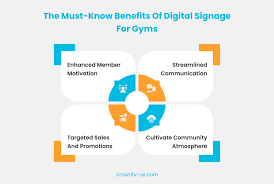
The most important reason for digital gym membership is indeed convenience. There is no more worrying about where and when to train. Wherever your hotel room might be, whether at home or out on holiday, your gym travels with you.
2. Off-Pocket-Friendly
Digital will eliminate travel, rent, parking, upkeep, and the high maintenance required to store equipment. Such platforms would charge a fee, which may be just a fraction of what physical gyms charge, offering great value, if not more, in guidance and variety.
3. Customization and Personalization
Fitness journeys are customized by AI-powered systems that collect and analyze workout data. Adaptations include reps, pace, rest times, recovery, weight load, and even sleep/sometimes stress level to achieve the most perfected structure.
4. Whole Health Ecosystems
These digital platforms have really enhanced the value of workouts by often offering another layer of nutrition tracking and fostering the practice of habits, mindfulness tools, and mental health, such as guided meditation or stress-reduction coaching. So, you get a good picture of the wellness experience.
5. Motivation and Gamification
To retain users, many apps feature badges, leaderboards, fitness streaks, group challenges, socializing, and rewards. This gamification also looks at consistency, accountability, and social support, which are undermined when using an app for advertised fitness.
6. Real-Time Health Insights
With the introduction of wearable tech, users can monitor heart rate zones, oxygen levels, calories burned, sleep stages, and muscle fatigue in real time. Thus, it allows users to both adapt intensity and track improvement while preventing injuries.
The Technology Features of the Digital Gym
1. Artificial Intelligence & Machine Learning
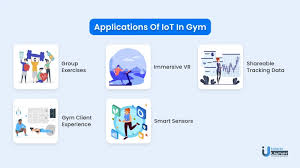
AI is a program that monitors how you move, how often you exercise, and how your performance changes, using that data automatically. Adjust your exercise plan. We even have advanced platforms that identify plateau issues, warn of overtraining or a dip in energy content, and provide real-time feedback.
2. Virtual and Augmented Reality (VR/AR)
Supernatural or Les Mills XR offers experiences beyond a simple VR headset. For example, in boxing, one might be on a rooftop; for meditation, a relaxing experience on a beach.
3. Motion Tracking and Smart Cameras
Some of these digital gyms use smartphones’ cameras alongside some depth sensors like the iPhone LiDAR and Kinect technology to analyze your posture, angles, and form accuracy. Real-time corrections reduce injuries and improve techniques.
4. Cloud-Based Data Storage
This enables multi-device access, easy backups, and long-term progress analysis of workout history, performance logs, dietary intake, and health metrics.
5. Smart Equipment Integration
Integrating the app-linked treadmill-enhanced intelligent resistance machines and digital dumbbells works automatically. -Adjust difficulty levels, sync with your goals, and also track metrics automatically.
Considerations When Selecting the Right Digital Gym
1. Goal Defining
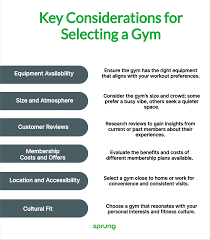
Consider weight reduction, weight gain, increased mobility, and reduced stress; select the platform that best corresponds to your specific aim. Some are apps that narrow in on HIIT, while others focus on yoga or mindfulness.
2. Space Environmental Considerations
Home space matters—noise levels and equipment availability are taken into consideration. Bodyweight-focused or minimal-equipment programs would be more helpful in small apartments.
3. Check Wearable Compatibility
To enjoy all the tracking benefits, be sure the app syncs with the devices you already use—whether it be Fitbit, Apple Health, Garmin Connect, Google Fit, or Oura Ring.
4. Instructor Qualification Check
You should have a look at the instructor’s qualifications and history while searching for an institution, as well as the teaching styles that such an institution should have; check institutes whose advertisements include the names of their trainers, physiotherapists, and sports scientists specializing in
5. Social and Community Features
A major level of engagement for a platform can be achieved by adding forums, live challenges, comment sections, and workout groups. This will also help boost one’s motivation, accountability, and consistency in terms of community support.
6. Read Reviews; Use a Trial
Testing out the app is best done on the free trial or demo classes. As for subscription assessment, review update frequency, interface usability, and support responsiveness.
Future of Digital Fitness
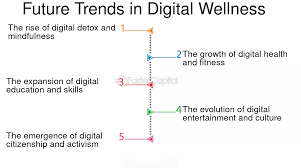
1. Hyper-Personalized AI Coaching—AI will go far beyond basic customization to offer fully adaptive training utilizing real-time biometric feedback and lifestyle data. Think “digital personal trainer,” which is always learning and adjusting.
2. Blockchain and Web3 Integration—Future platforms could reward their users with cryptocurrencies and/or NFTs for milestones completed, routines followed, or even participation in the platform ecosystem.
3. Smart Clothing and Biometric Textiles—Sensors embedded into fabric will detect muscle activation, hydration, body temperature, and movement symmetry. These sensors will enable real-time workout analytics comparable to lab quality.
4. VR Fitness Becoming Orthodoxy- With devices like the Meta Quest and Apple Vision Pro, immersive workout scenarios in virtual environments are set to be one of the leading fitness trends.
5. Insurance and Corporate Wellness Adoption—Digital fitness utilities may be subsidized by governments, employers, and health insurers as part of a primary preventive health strategy where premium discounts and rewards are provided for healthy behaviors.
Conclusion
The digital gym is no longer futuristic; it is immediately on the new foundation of fitness. Personalized fitness sessions, on-demand training, and immersive technology, now with total convenience, enable one to monitor their health and improve it. For busy professionals, work-from-home parents, athletes, or just beginners, digital fitness, strength, wellness, and confidence are literally a click away.
—

Leave a Reply