
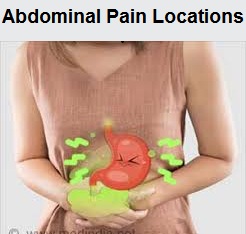
Table of Contents
Why Abdominal Pain Location Matters
Upper Abdominal Pain: Burning, Heartburn, and Acid Reflux
Right Upper Abdominal Pain: Gallbladder Problems
Lower Right Abdominal Pain: Appendicitis Warning Signs
Side and Lower Back Pain: Kidney Stones and Kidney Infection
Lower Abdominal Cramping: Digestive and Hormonal Causes
Can Stress Cause Stomach Pain?
When Should You Seek Medical Help?
Introduction
Abdominal pain is still one of the most common health complaints, pretty much everywhere. Most of the time, it comes from temporary digestive problems like gas, indigestion, or overeating. Still, the actual spot where it hurts can kind of point to other issues under the surface, you know.
If the pain shows up in different areas of the belly, it might be connected to things such as acid reflux, gastritis, gallbladder trouble, appendicitis, kidney stones, intestinal disorders, or even digestion that gets messed up by stress. Figuring out where the abdominal pain lands and what it might be tied to can help you notice warning signs sooner.
Why Abdominal Pain Location Matters
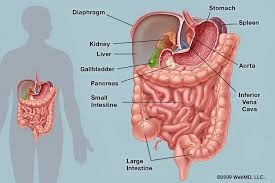
Doctors usually start with where abdominal pain shows up, because organs aren’t randomly placed in there. Pain tends to pop up near the area of the trouble organ… or at least near enough that it gives a clue.
Still, abdominal pain alone can’t actually “prove” a diagnosis. But it can narrow things down fast and help point to what kind of checkup might make sense.
Upper Abdominal Pain: Burning, Heartburn, and Acid Reflux
Upper belly pain (burning kind of, heartburn, acid coming back, refluxy feeling)
That hot, burning feeling in the upper middle or under the breastbone is often connected to digestive issues.
Possible causes
- Acid reflux, also called GERD
- Gastritis
- Irritation in the stomach area
- Peptic ulcers
Common symptoms
- Burning pain after eating
- Sour taste in the mouth
- Bloating
- Nausea
- Discomfort when lying down
Acid reflux happens when stomach acid basically backs up into the esophagus. That causes irritation and classic heartburn. Gastritis is basically more inflammation of the stomach lining, and you know it can feel pretty close, pretty similar to other stuff too.
Right Upper Abdominal Pain: Gallbladder Problems
If the ache feels like it’s kind of sitting under the right ribcage, it can hint toward gallbladder issues, not always, though.
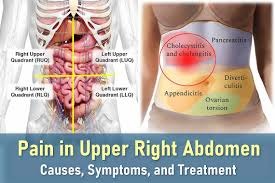
Possible causes
- Gallstones
- Gallbladder inflammation
- Bile duct obstruction
Common symptoms
- Sharp pain under the right ribs
- Pain that travels to the back or right shoulder
- Nausea after eating
- Discomfort after fatty meals
The gallbladder helps break down fats by releasing bile. When gallstones get in the way and block bile flow, intense pain can kick in, especially after eating rich, oily food.
Lower Right Abdominal Pain: Appendicitis Warning Signs
Pain that starts near the belly button and slowly shifts toward the lower right side may be appendicitis.
Possible causes
- Appendicitis
Common symptoms
- Sharp, worsening pain
- Fever
- Nausea
- Loss of appetite
- More pain when walking or coughing
Appendicitis is a medical emergency, like, not something you can just wait on. If it is ignored, the appendix can rupture, and then that can lead to serious complications. So yes, it needs a prompt medical evaluation right away.
Side and Lower Back Pain: Kidney Stones and Kidney Infection
If the pain kind of moves from the flanks of the belly into the lower back, it might mean the kidneys, or the whole urinary pathway, are involved.
Possible causes
- Kidney stones
- Kidney infection
- Urinary tract disorders
Common signs
- Severe, wave-like pain
- Lower back discomfort
- Painful urination
- Blood in the urine
- Fever and chills
Kidney stone pain is often described as one of the more intense pain types; people say it comes in waves. Kidney infections can bring a deep aching feeling along with the normal infection clues, too.
Lower Abdominal Cramping: Digestive and Hormonal Causes
That crampy feeling in the lower belly can show up because of digestive trouble or hormonal shifts; it can feel sudden and kind of relentless.
Possible causes
- Gas and bloating; sometimes it feels kind of trapped
- Irritable Bowel Syndrome (IBS), that classic kind of unrest
- Stomach viruses, or that sudden gut disruption
- Menstrual cramps, period aches that show up without warning
- Digestive inflammation, a bit of swelling, and slow irritation
Common symptoms
- Cramping pain
- Bloating
- Changes in bowel habits
- Pelvic discomfort
- Temporary relief after bowel movements
Some women get lower abdominal pain around their menstrual cycle, too, because uterine contractions can be a thing.
Can Stress Cause Stomach Pain?
Yes. Stress can mess with digestion in a big way.
Your digestive system has a whole kind of network of nerves; sometimes people call it the “gut-brain connection.” When stress levels rise, the body goes into a fight or flight mode, and that can shift digestion around; then, suddenly, symptoms start showing up like
- Stomach discomfort
- Nausea
- Bloating
- Cramping
- Changes in your bowel habits, you know, the ones.
Long-term stress can also make gut problems a bit more intense, like IBS and acid reflux, too. Light movement and exercise, relaxation practice, solid sleep, and mindfulness, sort of together, may help support better digestive health overall, in a steady way.
Abdominal pain location chart
| Pain Location | Common Sensation | Pain Location |
| Upper center | Burning, fullness, heartburn | Gastritis, Acid Reflux (GERD) |
| Upper right | Sharp pain under ribs | Gallstones, Gallbladder disease |
| Lower right | Severe, getting worse | Appendicitis |
| Sides and lower back | intense waves or aching | Kidney Stones, Kidney Infection |
| Lower abdomen | Cramping, bloating | IBS , Gas, Menstrual Cramps, Stress |
When Should You Seek Medical Help?
It’s normal that most belly pain is mild and goes away. Still, some signs need fast attention, like right now, even.
You should seek urgent medical help if you notice:
- Intense or unexpected abdominal pain
- Repeated vomiting
- High temperature
- Blood that is visible in stool or urine
- Trouble breathing, like difficulty getting air
- Fainting spells, or a dizzy feeling
- A hard, or distended stomach
Getting a prompt consultation with a healthcare provider can help lower the risk of complications and improve the results from any treatments.
FAQs
How can where your abdominal pain is show you something?
It’s kind of like a messy map of the discomfort, kind of pointing you toward the troubled area, not always neatly, more like maybe the stomach or the gallbladder, appendix, kidneys, or intestines, you know.
What are typical reasons for pain on the right side of the abdomen?
Well, right-sided belly pain can be from a lot of different things, like a gallbladder issue, kidney stone trouble, appendicitis, and honestly, a whole bunch of other digestive problems or maybe even some less obvious causes too, depending on the person.
Can stress really cause stomach pain?
Yes, it can. Unresolved stress, especially, can mess with the digestive system and bring on several stomach problems such as cramps, nausea, bloating, and that general ache or discomfort in the belly.
When should abdominal pain be taken as an emergency sign?
Consider it urgent if the pain is very intense, starts suddenly, or is getting worse, or if you also notice a fever, vomiting, confusion, or even fainting or trouble breathing happening at the same time.
Final Thoughts
You really shouldn’t just ignore abdominal pain, especially if it keeps going or if it feels intense, because you may want to get it checked too when other troubling signs start popping up. Don’t just wave it off, even if it seems kind of minor at first; if it lingers or starts getting worse, then it’s worth having someone take a look at it.
But if you can take a moment and actually track down the exact spot where it’s hurting, it can give you a pretty useful clue about what sort of internal problem might be happening.
It may be a case of acid reflux, a problem with the gallbladder, appendicitis, kidney disease, a gastrointestinal problem, or even the stress that contracts your muscles and upsets the whole digestion process.
On the other hand, locating the pain in the abdomen very accurately can suggest the right thing to do next and so help you receive medical care faster if it turns out to be really necessary.
Early recognition of how your body is functioning without considering it as a weakness and also reacting to the warning signs at least as soon as possible remains one of the very most effective ways to protect one’s overall health.


Leave a Reply