
Table of contents.
What Is the HIV Antibody Breakthrough?
How Broadly Neutralizing Antibodies Work
Why This Discovery Is So Important
Implications for HIV Treatment
Toward a Universal HIV Vaccine
Global Impact on HIV Prevention
Future Research & Clinical Trials
🧠 Introduction
The fight against HIV has taken a huge step with a pathbreaking scientific revelation. Scientists, for the first time, have discovered an exceptional antibody that can by and large neutralize HIV up to 99%. This discovery is poised to alter the entire spectrum of treatment, prevention, and vaccine development worldwide.
HIV/AIDS remains a major threat to health worldwide. The clearest reason for the virus’s ability to spread despite all efforts is its fast mutation capability. Also, HIV manages to escape the immune system continuously, as well as drugs to which it has become resistant over time, and these factors together have contributed to its rampant survival.
However, the discovery of broadly neutralizing antibodies (bnAbs) may be the key to undoing HIV entirely.
👉 What is the HIV antibody breakthrough?
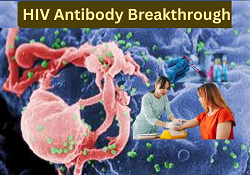
The finding of antibodies that, by targeted action against a virus component remaining unchanged, may neutralize 99% of HIV strains globally is known as the HIV antibody breakthrough. The scientists identified two types of antibodies, which they broadly named neutralizing antibodies (bNAbs).
Among their remarkable attributes are the following:
- Recognizing multiple variants of HIV
- Finding regions on the virus that do not change
- Neutralizing even strains that are resistant to drugs
🔍 Key Features:
- Neutralizes 95-99% of HIV strains
- Targets a conserved (non-mutating) region
- Blocks viral entry into immune cells
- Effective against rare variants
The discovery is one of the most promising achievements that modern HIV research has produced.
🧪 How Broadly Neutralizing Antibodies Work
The mechanism behind highly neutralizing antibodies explains how they protect the body from HIV attacks. The virus gains access to the human body by binding to immune cells via the CD4 receptor.
The main steps of the mechanism are as follows:
- The antibody attaches itself to the viral envelope protein (Env).
- Recognizes and binds to a vulnerable site on the virus, which cannot be easily mutated.
The human body becomes infected because the virus uses its mechanism to attach itself to human cells through special receptors.
Thus, in short:
The virus is blocked and cannot replicate.
🚨 Why This Discovery Is So Important
HIV is one of the hardest viruses to beat, mainly because of its
Capacity to mutate rapidly
- Different subtypes
- high genetic diversity
The traditional treatment approach enables one particular strain to escape treatment while it targets another.
This discovery comes to the rescue:
- Single antibody targets nearly all variants
- Reduces the complexity of the treatment
- Leads the way to universal solutions
📊 HIV Challenge vs Breakthrough
Challenge Traditional Limitation New Breakthrough
Virus mutation: fast changes, targeting a stable region.
Treatment: Daily medication, Long-acting therapy
Prevention: Few vaccines, Universal potential
Resistance Common Works on resistant strains
💊 Implications for HIV Treatment
🔬 Antibody-Based Therapies
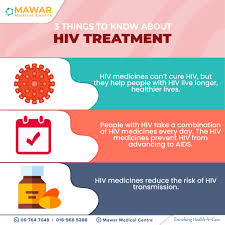
This revolutionary discovery could be used to update or even replace the current antiretroviral therapy (ART).
For instance, patients might receive their medication only a few times per year.
Other benefits:
- Less likelihood of side effects
- Decreased drug resistance
- More convenient treatment
👉 Rather than a daily regimen of pills, patients might only have to get their treatment periodically.
🛡 Long-Term Protection for High-Risk Groups
Groups that could benefit from such extended protection include:
- Medical staff
Groups under great risk
- Babies born to HIV-positive mothers
- Areas where HIV is prevalent among inhabitants
Toward a Universal HIV Vaccine
🧬 One of the wide-ranging results of this finding would be the creation of a global HIV vaccine.
🎯 The likely process:
- The immune system will be taught to produce this antibody continuously.
- Immunity will be provided for the long term.
- Infection would be thwarted right from the outset.
This would be a tremendous event in public health history.
🌍 Global Impact on HIV Prevention
Some figures on the global situation:
- Over 38 million individuals have tested positive for HIV.
- • About 1.3 million new instances are recorded every year.
An antibody-based universal solution could:
- Reduce new cases
- Simplify HIV prevention interventions
- Enhance accessibility in low-income countries
- Counteract resistance to drugs
🧠 Expert Insights
Here’s what the leading researchers call it:
- “A landmark in HIV research”
- “The nearest we’ve come to a universal vaccine”
- “A significant medical discovery”
🔬 Future Research & Clinical Trials
Planned studies:
- Testing the antibody in humans
- Using antibody cocktails
- Developing gene therapy
- Mass production of the treatment
Making this therapy available to all is a major goal that the scientists are working hard to achieve.
❓ FAQs
Can this antibody heal HIV?
Though it does not, it does significantly improve the chances for disease prevention and virus management.
What distinguishes this antibody?
It is effective against most, if not all, of the viral strains since it targets a non-changing region of the virus.
Is a universal HIV vaccine possible?
This finding is the closest we have been to getting one.
When will this treatment be available?
Still in the clinical trial stage, the therapy has not been made available for everyday usage.
🚀 Conclusion
The identification of a broadly neutralizing antibody that can hinder infection by all HIV strains to a large extent is a clear indication of a moment in history for medical science. This discovery has the capability of totally upending how we handle the disease, not only in improving prevention but also in ultimately enabling us to develop a universal HIV vaccine.
In spite of the fact that additional investigation is warranted, this singular product offers genuine hope to the affected millions across the globe.
⚠ Medical Disclaimer
This material is only for information and should not substitute for expert medical guidance.
Leave a Reply