
Table of contents
Impact of Air Pollution on Glaucoma Surgery Outcomes
Glaucoma: A Leading Cause of Irreversible Blindness
When Glaucoma Surgery Becomes Necessary
Environmental Factors Affecting Surgical Success
Treatment Options Before Surgery
Types of Glaucoma Surgical Procedures
Risks and Causes of Surgical Failure
Effect of air pollution on Overall Health
California Medicare Study on Glaucoma Surgery
Biological Impact of Pollution on Surgical Outcomes
Importance of Post-Surgical Care and Follow-Ups
Building Environmental Awareness
Impact of Air Pollution on Glaucoma Surgery Outcomes
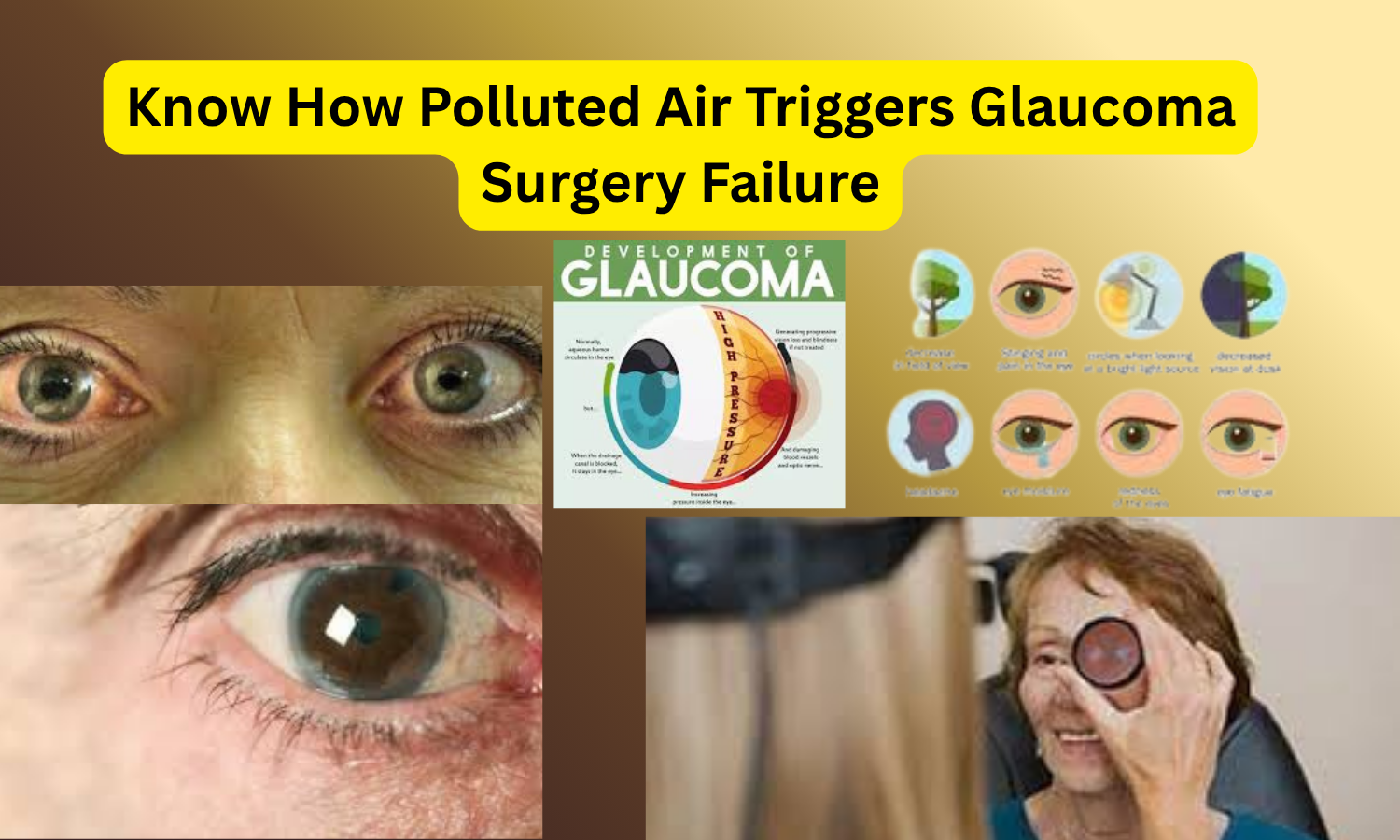
Glaucoma surgery is less effective if people operated on are exposed to air pollution, as it interrupts post-operative healing.
Glaucoma: A Leading Cause of Irreversible Blindness
Globally, glaucoma causes more cases of irreversible blindness than any other eye condition. It is a health menace that calls for the urgent attention of everyone, as this condition happens when the optic nerve gets damaged by the build-up of pressure in the eye, which gradually deprives the patient of vision.
When Glaucoma Surgery Becomes Necessary
When medications and laser treatments fail to manage intraocular pressure, incisional surgery often becomes necessary.
Recent studies show that the outcomes of glaucoma do not only depend on the clinical data but also on other findings of the diagnostics.
The success of surgical procedures could also be affected by environmental factors, such as air pollution levels at the hospital.
Environmental Factors Affecting Surgical Success
A California study suggests that Medicare patients living in highly polluted areas are at higher risk of failure of their glaucoma surgeries. and Its Effects.
The environment plays a critical role in healing, as external stressors can directly interfere with the body’s ability to stabilize and repair delicate ocular tissues.
“Eye glaucoma” is a collective term used for many eye diseases where the optic nerve is damaged, and the transmission of visual signals between the eyes and the brain is hampered.
The main factor behind this damage is increased intraocular pressure (IOP), which occurs when the eye fluid is not draining properly. Gradually, the pressure inside the eye causes loss of vision that cannot be reversed and damage to nerve cells.
For this reason, glaucoma is often referred to as “the silent thief of sight” since it can progress without symptoms initially. The therapy intends to reduce ocular pressure so as to prevent further damage.
Treatment Options Before Surgery
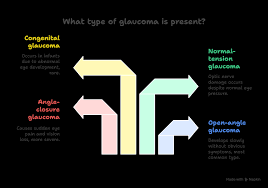
Eye drops or oral medications: Eye drops or oral medications are the first course of action prescribed by the physician.
Nevertheless, if these methods fail to produce the desired results, patients are exposed to laser treatment as a second option. Only when all other treatment options fail do doctors resort to incisional surgeries.
Incisional Glaucoma Surgery: Incisional surgery for glaucoma produces a different channel for the eye fluid to flow out, leading to the reduction of intraocular pressure.
Types of Glaucoma Surgical Procedures
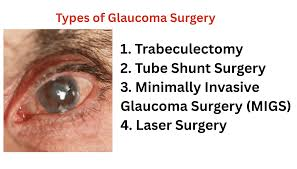
Trabeculectomy and implantation of a glaucoma drainage device are the two major types of surgery offered by doctors to patients.
Operative Methods
The way eye fluid drainage is achieved is through either a small incision or a tiny tube inserted. One of the main goals of this technique is to minimize the intraocular pressure while also preventing the optic nerve from being damaged in the future.
In spite of the fact that in the majority of patients the surgeries end up being successful, there are some instances that, regrettably, are devoid of positive results.
Risks and Causes of Surgical Failure
Development of fibrous tissue around the drainage systems is the major factor leading to surgical failure. These patients who have their drainage systems blocked due to scar tissue enable more treatments or surgery to be performed.
Effect of air pollution on Overall Health
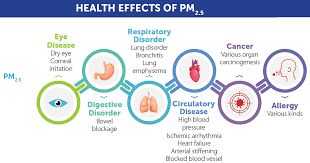
The adverse effects of pollution on health are well documented, especially diseases affecting the respiratory and cardiovascular systems. It is only recently that the impact of pollution on eye health has begun to be uncovered by researchers.
Among the components of air pollution are microscopic particles and chemicals that induce the production of free radicals in the human body.
Free radicals are highly reactive molecules, and when present in increased amounts, they can result in damage to cells and tissues. One of the effects of pollutants is that they irritate the eyes, which then can result in inflammation. Some of the major sources that cause the production of oxidative air pollution are:
Vehicle emissions
Industrial pollution
Fine particles (PM2.5)
Ozone, nitrogen oxides
Smoke, and smog
If someone is regularly exposed to outdoor air pollution, that can be a cause of their eyes showing symptoms for quite a while, even after the person has left the area. In a way, it is kind of the same as if they will not be able to find relief from their eye symptoms.
Air Pollution and Eye Health
Air pollution is turning into an increasingly serious threat not only to the health of our lungs but also to our eyes all over the world. Tiny particles, harmful gases, and chemicals in the environment can damage and irritate the soft tissues of the eyes, causing the inflammation to flare up. In fact, scientists have discovered that being exposed over a long period of time to dirty air could make it harder for the eyes to recover after a glaucoma operation and can even raise the chances of having complications during the surgery.
It is essential to take measures to keep our eyes safe if pollution is a factor, more so for people living in large cities where the air quality is very poor. Exposure to different pollutants in the environment causes an increase in the production of free radicals in the eyes, which are, in a way, the “bad guys” that damage cells. This could be one of the reasons why healing after glaucoma surgery is a challenge.
California Medicare Study on Glaucoma Surgery
A team of investigators carried out an analysis of patients’ medical records, which included data on more than 10,000 Medicare patients who had glaucoma surgery in California. Together with medical info, the researchers used pollution levels from patients’ residential areas. Through the study, it was clear that residents of areas with elevated levels of oxidative air pollution were more likely to experience glaucoma surgery failure than those living in less polluted areas….
Post-surgical pollution exposure is a major reason why patients’ ability to heal diminishes. As a result, their complaints following surgery are usually geared towards this problem….
Biological Impact of Pollution on Surgical Outcomes
According to psychologists, the same pollution level-related problems with surgical success could be occurring at different biological levels….
Increased Inflammation
Several different harmful substances and active air pollution particles are the factors that initiate inflammatory processes in the body. The most visible sign of ocular inflammation is excessive scarring at the site of the operation during the healing or post-surgery recovery period. The final cause of surgical failure is the blocking of the newly created drainage canal.
Oxidative Stress
Pollutants disrupt cells’ and tissue repair capacity through oxidative stress mechanisms. As a result, the delicate healing process following glaucoma surgery is compromised….
Healing of wounds is disrupted…
Continuous pollution exposure causes body changes that interfere with healing and result in wounds that don’t heal properly. The wound at the surgical site overheals or heals improperly, leading to scar tissue impeding the drainage system finally made by the surgeons during the course of their operation….
Identical mechanisms combine two negative effects, resulting in increased complication risk and reduced success rate over the entire duration of the procedures.
Guarding patients from environmental pollutants during medical procedures
Although patients depend on their local community for clean air to breathe, they still have choices to reduce their exposure and thereby enhance their post-operative recovery…. Initially, the surgeon has to inform and recommend that the glaucoma patients install air purifiers in the indoor spaces that are capable of eliminating all the harmful airborne pollutants from the air.
Role of Air Purifiers in Recovery
In order to reduce the concentration of the airborne microscopic particles, it is imperative to use air purifiers indoors.
If one wants to wear sunglasses for protection, then these must be worn outside, as they are meant to be a barrier for the eyes against harmful visual elements.
Importance of Post-Surgical Care and Follow-Ups
Patients must strictly follow all the post-operative instructions that are given to them after their surgeries.
Also, they should not miss attending their scheduled follow-up appointments….
It is very helpful for the body tissue repair and, at the same time, to fight the damage caused by oxidation to eat foods that are loaded with antioxidants.
Great quantities of vitamins and nutrients, which are necessary for the healthy functioning of eyes, are present in leafy green vegetables, berries, nuts, and other kinds of fruits.
Building Environmental Awareness
The investigations demonstrated that environmental exposures can have a direct and indirect influence on treatment outcomes, releasing potential effects that medical investments may not have been able to predict. Despite surgical progress and medical therapies, the environment can still be a determinant of patient recovery. Knowing the environmental risks should be an integral part of the knowledge that the aged glaucoma patients, who depend on surgery to keep their vision, should carry with them.
Reduction of air pollution through public health campaigns could not only lead to improved respiratory health but also lead to improved medical treatments, including those involving eye surgeries and others.
FAQs
Can air pollution affect eye health?
Long-term exposure to air pollution causes eye irritation, eye inflammation, and dry eyes and higher probabilities of developing eye conditions, which include glaucoma and cataracts.
How does polluted air impact glaucoma surgery recovery?
Eye irritation brought on by contaminated air causes eye oxidative stress to rise. The two variables taken together can interfere with the whole healing process following glaucoma surgery, therefore leading to poorer surgical outcomes.
What pollution components are damaging to the eyes?
The pollutants listed below are among those that can lead to vision problems:
- Fine particulate (PM2.5)
- Fumes from vehicle exhaust
- Vehicle (car) exhaust
- Production smoke from factories
- Ozone at ground level
- Nitrogen dioxide
How can people protect their eyes from air pollution?
Besides using various air pollution protective measures at your disposal, you can also take care of your eye health through:
- Limiting the time you spend outdoors if the air is very polluted
- Using sunglasses to protect your eyes
- Relieving dryness by using eye drops
- Maintaining good quality air in your home
- Regular visits to an eye specialist for monitoring
Conclusion
In a situation where medication does not help in controlling eye pressure, glaucoma surgery still serves as a way to protect patients’ vision. There are factors beyond the operating room that could negatively affect the success rates of the surgeries. The research with California Medicare patients found a connection between exposure to increased oxidative air pollution and the presence of higher glaucoma surgery failure. Eye surgeries are unsuccessful in polluted places because environmental pollutants provoke eye inflammation and disrupt the healing process.
Medical References
- World Health Organization (WHO) — Air Pollution and Health
- American Academy of Ophthalmology (AAO) — Glaucoma and Eye Protection
- National Eye Institute (NEI) — Understanding Glaucoma
- Research studies on PM2.5 exposure and ocular surface inflammation
- Environmental Health Perspectives Journal — Air pollution effects on vision and eye diseases


Leave a Reply