Tables of contents
Research overview: Organ communication
The Blood-Brain Barrier: Your Brain’s Security System
The Liver: The Unexpected Hero
Exercise and Brain Health: The Real Connection
Daily Habits to Support Liver & Brain Health
Best Foods for Liver & Brain Health
Introduction
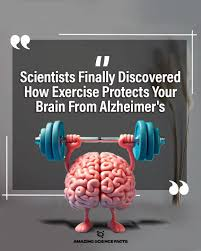
People follow exercise routines to achieve heart health improvement, muscle strength development, and flexibility enhancement. The brain functions better because people exercise, but the actual biological mechanism remains unknown. People who exercise notice their mental fog disappears, but they do not understand the biological reason for this effect.
Scientists had been at a loss for quite some time regarding the causes of these brain changes resulting from exercise.
Actually, one of the breakthroughs in the understanding of this phenomenon was the discovery of the liver-brain axis, which revealed that the liver is the primary organ for brain preservation and recovery.
🔬 Research overview: Organ communication
🔬 Research Overview: How Organs Communicate
Researchers from the University of California, San Francisco, have discovered that organs communicate through complex signaling systems.
During physical activity:
- Muscles become active
- Blood circulation increases
- Organs exchange signals
The liver acts like a biological dispatch center, sending repair signals that help maintain brain health.
🧠 The Blood-Brain Barrier: Your Brain’s Security System
The blood-brain barrier (BBB) is a protective shield that controls what enters the brain.
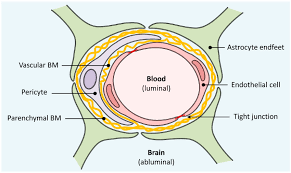
🔐 Key Functions:
- Blocks harmful toxins
- Prevents infections
- Allows essential nutrients
Think of the brain as a secure vault, and the BBB as its protective door.
⚠️ What Happens With Aging?
As we age:
- The BBB weakens
- Inflammatory proteins enter the brain
- Cognitive function declines
This condition is sometimes referred to as a “leaky brain,” leading to the following:
- Memory loss
- Brain fog
- Reduced focus
🧬 The Liver: The Unexpected Hero
A research team led by Saul Villeda explored whether exercise benefits could be transferred through the body.
🧪 Key Experiment:
Blood from active mice was injected into inactive older mice
Result:
- Improved memory and brain function
- This discovery pointed directly to the liver.
🔬 The Role of GPLD1 in Brain Repair
When you exercise, the liver produces an enzyme called GPLD1.
🧠 How GPLD1 Works:
- Does NOT enter the brain directly
- Acts in the bloodstream
- Protects the blood-brain barrier
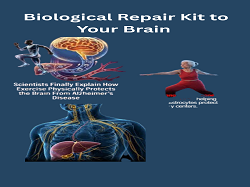
🛠️ How the “Repair Kit” Works
GPLD1 functions like a biological repair tool:
- Removes harmful proteins from the BBB
- Strengthens the barrier
- Reduces brain inflammation
As a result:
- Brain protection improves
- Memory function increases
- Cognitive decline slows
🧠 Exercise and Brain Health: The Real Connection
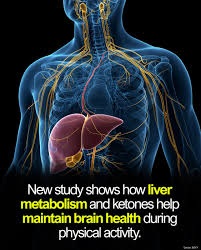
The study shows that movement is more than physical activity—it is a biological signal.
When you move:
- The liver detects activity
- It produces protective enzymes
- The brain receives indirect support
⚡ Featured Snippet Answer
👉 What is the liver-brain connection?
The liver-brain connection is the process by which the liver supports brain health by producing enzymes during exercise that protect the blood-brain barrier and reduce inflammation.
🧪 Can This Lead to Future Treatments?
Scientists are exploring the possibility of:
- GPLD1-based therapies
- “Exercise pills” for people unable to move
However, natural movement remains the most effective method.
🧠 Why Movement Matters
Exercise:
- Activates organ communication
- Supports brain protection
- Slows cognitive aging
Even simple activities like walking can trigger these benefits.
🧠 Aging and Brain Health
Cognitive decline is not just due to aging—it is often caused by the following:
- Weak organ communication
- Increased inflammation
- Reduced metabolic efficiency
Staying active helps maintain these vital connections.
🧬 Daily Habits to Support Liver & Brain Health
- Regular physical activity
- Balanced nutrition
- Hydration
- Stress management
🥗 Best Foods for Liver & Brain Health
🥬 Top Healing Foods
| Foods | Benefits |
| Leafy greens | Detox support |
| Berries | Antioxidants |
| Nuts | Brain function |
| Fatty fish | Omega-3 for the brain |
🧠 The Takeaway for Daily Life
The liver responds quickly to your lifestyle choices. You don’t need extreme workouts—consistency is the key.
Every movement you make sends a signal to your body:
- Activate repair systems
- Strengthen brain protection
- Improve long-term health
❓ FAQs
How does exercise improve brain health?
Exercise stimulates the liver to produce enzymes that protect the brain and reduce inflammation.
What is GPLD1?
GPLD1 is a liver enzyme produced during exercise that helps maintain the blood-brain barrier.
Can liver health affect memory?
Yes, poor liver function can lead to toxin buildup, affecting memory and cognitive performance.
🚀 Conclusion
The liver-brain connection highlights how deeply interconnected the human body is. Exercise is not just about fitness—it is a signal that activates powerful biological repair systems.
By staying active, you are not only strengthening your body but also protecting your brain for the future.
⚠️ Medical Disclaimer
This content is for informational purposes only and does not replace professional medical advice.
Leave a Reply