Table of contents
How Medical Intelligence Works
Benefits of Medical Intelligence
The role of AI in Medical Intelligence
Medical Intelligence and wearable tech
Medical Intelligence and Preventive Medicine
The Future of Medical Intelligence
Introduction
Medical intelligence is kind of changing healthcare by helping people spot disease risks years or even decades before anything obvious shows up. It uses artificial intelligence along with advanced lab testing, wearable technology, and personal health data. The whole idea is a more proactive way to approach wellness, where prevention matters more than waiting and treating later.
In many traditional healthcare settings, the system waits until symptoms appear before taking any action. Medical Intelligence flips that model. It sort of looks at biomarkers, plus everyday life patterns, genetic details, and medical history all at once, to pull out those “hidden” risks a bit earlier. Then people and clinicians can make more informed decisions and help keep long-term illnesses from showing up, with better overall health over time.
What Is Medical Intelligence?
Medical Intelligence is basically the use of artificial intelligence plus smart data analytics to build a clearer picture of someone’s health, sort of in the background, but still pretty directly. It sort of pulls together clues from blood tests, wearable devices, medical records, and even everyday lifestyle bits. Then it might surface patterns that sort of point to upcoming health risks before they turn into a bigger deal, or at least before anyone actually notices.
Compared with traditional healthcare, which often centers on disease management, medical intelligence leans harder into prevention and into health optimization. It’s less about reacting, more about anticipating.
How Medical Intelligence Works
Medical intelligence gathers and reviews data from several sources, such as
Detailed blood tests
Wearable health devices
Medical history
Genetic testing
Sleep tracking
Physical activity data
Nutrition records
Heart rate and recovery metrics
After that, AI algorithms run on the collected data to find smaller shifts in health markers that could suggest early stages of disease development. Basically, it tries to notice the quiet signals before they turn into full problems, which feels oddly simple, but the processing is pretty deep.
Medical intelligence can help spot stuff like prediabetes years before anyone says “official diagnosis,” as well as cardiovascular disease risk, chronic inflammation, and early and hormonal imbalances. It can also be a sign of nutritional gaps, metabolic irregularities, or even cognitive well-being issues, in a way that feels kind of more forward-looking rather than just reactive.
Benefits of Medical Intelligence
Earlier disease detection
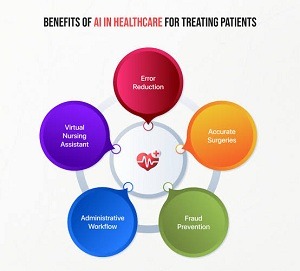
One of the biggest perks of medical intelligence is spotting health risks long before symptoms show up. When it’s caught early, interventions tend to be simpler, and outcomes usually end up being better.
Personalized health care
Medical Intelligence makes recommendations using an individual’s unique biology, not just the usual population averages. It’s kind of like tuning the plan a bit, not really using the same blueprint for every single person.
Improved decision-making
AI-driven insights help patients and healthcare providers make better calls around testing, treatments, and those lifestyle adjustment sorts of things.
Preventive health management
Rather than waiting for sickness to fully show up, Medical Intelligence supports proactive care through nutrition, exercise, sleep optimization, and more targeted testing. It’s more about staying ahead than chasing problems later.
The role of AI in Medical Intelligence
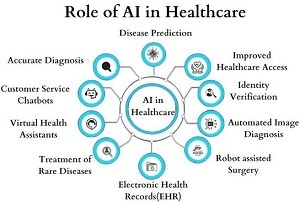
Artificial intelligence is the base layer for medical intelligence. AI systems can process thousands of health variables at once and then identify patterns that might be hard for humans to notice.
Also, these systems keep learning from fresh health data over time, so predictions become more accurate and more personal.
Medical Intelligence and wearable tech
Wearable devices are now a major piece of medical intelligence. Smartwatches and fitness trackers offer ongoing monitoring, such as:
heart rate variability
sleep quality
daily activity levels
stress indicators
blood oxygen measurements
When combined with AI analysis, these kinds of devices offer valuable insights that help people fine-tune their wellbeing day by day, sort of in a smarter way.
Medical Intelligence and Preventive Medicine
Medical Intelligence feels like a big change toward preventive medicine. Rather than asking how to handle disease after it shows up, healthcare professionals can try to prevent disease before it even begins, you know, kind of before the situation gets worse.
This proactive mindset may help lessen the burden of chronic conditions such as
Heart disease
Type 2 diabetes
Obesity
Neurodegenerative disorders
Certain cancers
The Future of Medical Intelligence
The road ahead for medical intelligence looks promising. As artificial intelligence becomes more capable and healthcare data becomes easier to access, personalized care will continue to advance and become more specific.
Future medical intelligence platforms might deliver the following:
Real-time health monitoring
Very personalized wellness plans
Earlier disease predictions
Ongoing risk assessments
Better longevity strategies
All of these ideas could, honestly, flip healthcare over from a reactive system to something more predictive and preventive.
Conclusion
Medical intelligence is kind of reshaping modern healthcare by mixing artificial intelligence, lab testing, wearable tech, and health information that is more tailored. When dangers are detected earlier and more individually fitted guidance Following this, medical intelligence assists people in taking control of their well-being before bigger problems appear.
And since healthcare is going more toward forecasting and prevention tactics, medical intelligence might become one of the most crucial instruments for supporting longer life, reducing chronic disease burden, and constructing a healthier tomorrow for everyone.
Leave a Reply