
Table of Contents
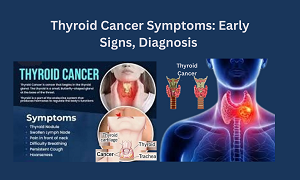
Common Warning Signs to Watch For
How Thyroid Cancer Is Diagnosed
⸻ Introduction
Often developing silently, thyroid cancer has few early symptoms. During a regular physical exam or imaging test ordered for another reason, many patients discover they have a thyroid nodule.
Reports of famous people being diagnosed with thyroid cancer have contributed to raising awareness about this disease and prompted many individuals to investigate its symptoms.
Diagnosing thyroid cancer at an early stage, which is one of the most treatable forms of cancer, may still be disturbing; however, the word “cancer” can be very frightening.
Being fully aware of the causes of risk factors, symptoms, and modern therapeutic methods will help you detect potential warning signs and seek prompt medical care.
⸻ Understanding Thyroid Cancer
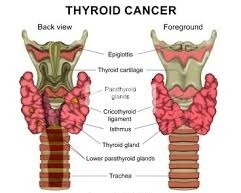
The thyroid is a tiny butterfly-shaped gland situated at the front and center of your neck. The thyroid releases hormones that control several major functions of your body, like:
- Metabolism
- Cardiac rhythm
- Body temperature
- Energy generation
- Development and growth
Abnormal cells in the thyroid start multiplying unchecked and generate a tumor—that is thyroid cancer.
Type of thyroid cancer
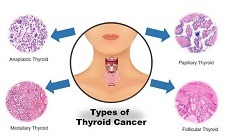
There are several forms of thyroid cancer, including the following:
Most prevalent type of thyroid cancer:
- Papillary thyroid cancer of follicular origin
- Medullary thyroid cancer
- Rare yet aggressive, anaplastic thyroid cancer
Most thyroid malignancies tend to progress slowly and often respond well to therapy, so that part is kind of hopeful.
⸻ Early Thyroid Cancer Symptoms
One big reason thyroid cancer can feel hard to spot is that, in the beginning, many people just don’t feel much at all. It’s like nothing is really going on, at least not in an obvious way.
Once the cancer starts growing, though, certain warning signs may start showing up, even if they seem subtle.
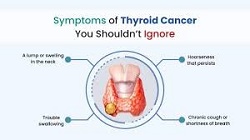
1. A Lump in the Neck
A painless lump, or just a little swelling toward the front of the neck, is often the first thing someone notices, like really quickly, before anything else.
Some nodules stay small, but others get more obvious when you do a self-check in the mirror.
2. Persistent Hoarseness
Any change in your voice that sticks around for several weeks should not be ignored.
A thyroid tumor that’s getting larger can press on nerves, including nerves that connect to the vocal cords, which may cause the following:
• Hoarseness
• Voice weakness
• Changes in speech quality
3. Difficulty swallowing
As a thyroid tumor grows bigger, it can press up against nearby structures in the throat, and then swallowing starts to feel odd, sort of awkward, really.
A bunch of people say it feels like something is trapped in their throat or like it just won’t move along.
4. Difficulty breathing
Larger thyroid tumors can place pressure on the windpipe, causing:
• Shortness of breath
• Breathing discomfort
• A sensation of throat tightness
5. Neck Pain
Although many thyroid nodules are painless, some individuals experience the following:
• Neck discomfort
• Throat pain
• Pain that radiates toward the ears
6. Persistent Cough
If your cough keeps coming back, and you don’t really know if it’s caused by a cold, the flu, allergies, or smoking, then it may be an unusual symptom of thyroid cancer.
Common Warning Signs to Watch For
See a doctor if you have any of the following.
- A neck lump that appears for the first time
- A voice that changes and stays changed for a long time
- Swallowing becomes difficult
- My throat hurts all the time
- You cough for no reason
- You have swollen lymph nodes in your neck
Catching it early makes treatment much more effective.
Who Is Most at Risk?
Factors may influence the possibility of getting thyroid cancer in your life.
Sex
Women are more prone to getting thyroid cancer than men.
Age
Mostly, people between the ages of 25 and 65 are diagnosed with this disorder.
Family History
The following diseases/conditions of the thyroid gland, if experienced by your family (parents, siblings, children), may increase your risk of thyroid cancer:
- Thyroid cancer
- Thyroid disease
- Certain inherited genetic syndromes.
Radiation Exposure
Radiation of the head or neck area is the most common risk factor of thyroid cancer.
Some thyroid conditions may lead a person to thyroid cancer.
How Thyroid Cancer Is Diagnosed
Here are some tests that your doctor may consider ordering if you have thyroid issues:
Physical Check-up
During a physical exam, the doctor is capable of the following:
Look for areas of swelling or lumps in the neck
Checks for sizable lymph nodes
Assesses the thyroid gland for enlargement
Ultrasound-guided thyroid imaging can reveal the following:
the size of the thyroid cartilaginous protrusions, which we call nodules
the composition of the nodules
features that thin the suspicion of cancer
Blood Tests
Blood tests reveal hormone levels, together with other chemicals that support thyroid performance assessment.
FNA Biopsy
FNA allows the doctor to take a tiny sample of the thyroid tissue by passing a very thin needle across the skin and into the nodule.
This way of deciding whether a nodule is malignant or not is one of the most effective means.
⸻ Treatment Options
Therapy is based largely on the kind and stage of the thyroid carcinoma.
Surgery
Usually, a great majority of the patients have an operation to remove either one thyroid lobe or the entire thyroid gland.
Radioactive Iodine Therapy
Radioisotope iodine can be administered post-surgery to eliminate residual normal or malignant thyroid tissues.
Thyroid Hormone Replacement
Individuals after thyroidectomy commonly need exogenous thyroid hormone supplementation daily.
Targeted Therapies
Futuristic or end-stage patients are likely to attain benefits with drugs targeting cancer factors.
Survival Rates and Prognosis
The outlook for most thyroid cancer patients is highly encouraging.
If caught early, the five-year survival rate for a localized thyroid cancer is over 98%, which is pretty reassuring.
Many people end up living long, well, and healthy lives after treatment, plus the right kind of medical follow-up. And honestly, early detection still is one of the biggest pieces for getting good outcomes.
⸻ When you should see a doctor
You should schedule a medical evaluation if you notice any of these things
• A brand new lump in the neck
• Hoarseness that won’t go away
• Trouble swallowing
• Throat discomfort with no clear reason
• Enlarged lymph nodes
• Breathing difficulties
Even if those symptoms don’t automatically mean cancer, it still feels smart to have someone qualified take a look at it sooner rather than later.
⸻ FAQs
Is a thyroid lump always cancer?
No. Most thyroid nodules are benign, meaning they’re not cancerous. But even so, any new lump should be examined by a healthcare professional.
What tends to be the first clue of thyroid cancer?
A painless lump, or even just swelling at the front of the neck, is often the earliest symptom.
Can thyroid cancer be cured?
A lot of thyroid cancer types are highly treatable and often curable, especially when they’re caught early.
Does thyroid cancer cause pain?
Most thyroid cancers are painless. But some people might notice neck discomfort or throat pain.
Is thyroid cancer common in women?
Yes. Women are diagnosed with thyroid cancer much more often than men.
⸻ Final Thoughts
Thyroid cancer can grow rather quietly, so paying attention matters a lot, even when you feel totally fine. Sometimes it just doesn’t show up in an obvious way. Symptoms like a lump in the neck, hoarseness that won’t go away, trouble swallowing, or that vague, nagging throat uneasiness should never be brushed off, not even for a day or two.

Leave a Reply