Table of Contents
Chest Pain or Pressure (Angina)
How Doctors Diagnose Blocked Arteries
Can Blocked Arteries Be Prevented?
When to Seek Medical Attention
Introduction
Your arteries are basically like the main roads in your body. They become the carriers of oxygen-laden blood, dispatched by the heart, to nearly all your body parts, such as your organs, muscles, and tissues.
Nevertheless, if these routes start getting narrow or basically fully blocked because plaque begins building up, then blood flow will be restricted, for sure.
The heart, as a result, needs to put in some extra effort just to maintain the normal functioning of the body and keep all the different processes going.
The condition of the arteries is known as atherosclerosis, and the symptoms generally manifest when plaque begins to accumulate, and then it continues to thicken the arteries gradually over time.
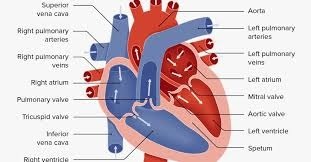
In general, plaque is made up of cholesterol, fatty material, calcium, and those waste-producing cells that gradually get deposited along the inner walls of the arteries.
Eventually, this causes the “lane” to narrow, allowing less blood to flow.
Since this condition can stay low-key for years, that’s why most folks don’t spot it until a serious hiccup shows up, kind of out of nowhere.
When the arteries begin to narrow or get blocked, it can raise the chances of suffering a heart attack, a stroke, or other problems in the cardiovascular system.
Even so, there’s a kind of silver lining in that the body sometimes sends warning hints before a serious health issue really shows up in full.
Catching symptoms early may nudge someone to talk with a doctor soonish, which could lower the risks later on, too.
What Causes Blocked Arteries?
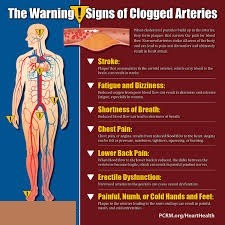
Plaque accumulation is not just a matter of chance; it could be related to the individual’s lifestyle and health problems.
Major factors include:
- High level of cholesterol
- Hypertension
- Smoking
- Diabetes
- Excess body weight
- Lack of physical exercise
- Persistent stress
- Unhealthy diet
- Family history of heart disease
In the long run, inflammation, together with all that plaque, narrows the arteries, cutting down on blood circulation, and puts more pressure on both the heart and the blood vessels.
1. Chest Pain or Pressure (Angina)
Probably the most prevalent symptom that is found associated with the blocking of coronary arteries is the chest pain known as angina. It is technically chest pain that is caused by the insufficient supply of blood to the heart muscles.
Individuals may express it as being:
- A feeling of being squeezed in the chest
- A very heavy pressure
- Burning sensation
- Chest discomfort caused by squeezing
Angina mainly makes its appearance whenever the person is engaged in physical activities, is stressed emotionally, or is otherwise pushing themselves, as the heart’s demand for oxygen significantly increases during these times.
Sometimes the pain may subside after resting, but if it occurs repeatedly, it should not be dismissed.
2. Shortness of Breath
If the breath becomes short after routine activities, it can imply that the heart is failing to deliver blood to the various parts of the body as it is supposed to.
Where the flow of blood is impeded, there can be the accumulation of fluid in the lungs, which in turn makes the person feel as if they are struggling for breath.
In fact, some may even
- Have difficulty breathing while walking
- Find climbing stairs a struggle.
- Notice tiredness even with very light physical activity
- Have the feeling of being breathless without really working hard.
Shortness of breath can be a sign seen together with chest pain and tiredness.
3. Leg Pain When Walking
One of the effects that blocked arteries have is on the blood supply to the legs. When the arteries supplying the legs become blocked, this condition is known as peripheral artery disease (PAD).
Signs one might have include the following:
- Calves get cramps
- Legs feel heavy
- Pain when walking
- Legs feel weak
Usually, the pain gets better after resting for a short time.
Since the circulation is poor, the muscles get deprived of oxygen, and as a result, the pain can be brought on by the activity and even lead to the muscles feeling overly tired.
4. Dizziness or Lightheadedness
The blockage of carotid arteries in the neck can lead to a drop in blood supply to the brain.
This, in turn, may result in:
- Feeling lightheaded
- Loss of balance or standing ability
- Feeling of faintness
- Problems with balance
What may happen is a person experiencing a sudden dizzy spell followed by numbness on one side of the body or a problem with speaking or with the face dropping; this is a medical emergency and needs to be attended to immediately.
At times, a reduced blood supply to the brain is responsible for elevating the risk of a stroke.
5. Chronic Fatigue
An extreme, prolonged state of tiredness can sometimes signify that blood circulation has gotten to a poor level and that the cardiovascular system has been over-stressed.
Once the arteries begin to get narrow, the heart has to exert itself in order to push the blood to the whole body. This increased requirement may be responsible for a person feeling downright drained, no matter the fact that the small tasks would not normally be the source of exhaustion.
One of the signs could be
- Feeling of weakness
- Low stamina
- Exhaustion after routine tasks
- Difficulty in recovery after exertion
Fatigue caused by heart issues is generally stronger and lasts longer than ‘normal’ tiredness.
6. Cold Hands and Feet
When arteries start getting narrower, the blood flow to hands and feet kind of reduces, and this can make those extremities feel chilly, sometimes even numb, because the circulation is less effective overall.
With the slowing down of the blood flow, individuals could have the following experiences:
- Feeling cold
- Numbness
- Tingling sensation, like pins and needles
- Pale, maybe even bluish skin
This condition can get more noticeable in a colder climate or when someone is just sitting for a long while without much movement.
7. Jaw, Neck, or Shoulder Pain
The discomfort that comes from heart disease doesn’t always stay in the chest area, and it can show up elsewhere, too.
Some individuals experience “referred” pain, which seems to travel to:
- Jaw
- Neck
- Shoulders
- Arms
- Upper back
This particular symptom occurs more frequently among women, and it may be present when one is engaged in physical work or under emotional stress.
Since the symptoms can be so mild, in fact, many people do not recognize them as being related to heart disease in time.
8. Erectile Dysfunction (ED)
In a few men, erectile dysfunction may be an initial sign of circulation problems.
The blood vessels responsible for erection are smaller in size when compared to those of the coronary arteries. Hence, they might get affected much earlier, even with the beginning of plaque accumulation.
An article points out that ED can manifest several years ahead of major cardiovascular incidents.
While ED can be caused by various reasons, continuous symptoms should be discussed with a healthcare professional.
9. Lower Back or Hip Pain
A restricted blood supply can cause more damage than just affecting the heart.
Accumulation of plaque in arteries that supply the lower limbs may be responsible for:
- Pain in the lower back
- Discomfort in the hips
- Weakness in the legs
- Decreased mobility
There are even those who say that too little blood streaming to the tissues around the spinal cord could be one of the causes behind chronic lower back pain, you know.
10. Sudden weakness or numbness
When strength just goes away right at once or an unexpected numbness shows up, it could point to a serious brain circulation concern.
Possible warning signs include:
- Arm weakness
- Facial drooping
- Trouble speaking
- Numbness on one side of the body
These can be signs of a stroke or of a transient ischemic attack (TIA) and require emergency care immediately.
How Doctors Diagnose Blocked Arteries
Given possible artery blockage based on symptoms, physicians may perform multiple diagnostic tests.
Usually, the following diagnostic methods are employed:
- Electrocardiogram (ECG)
- Stress test
- Ultrasound methods
- CT calcium scoring
- Angiography
- Blood pressure and cholesterol checks
In most cases, a timely diagnosis helps detect circulation issues well before more serious complications happen or get worse.
Can blocked arteries be prevented?
Indeed, you cannot prevent every kind of cardiovascular disease, but some day-to-day lifestyle habits can go quite a long way toward lowering risk.
Here are some prevention tips:
- Consume a heart-healthy diet
- Get regular physical activity, not just “sometimes.”
- Control blood pressure plus cholesterol
- Stay away from smoking; avoid it entirely if you can.
- Keep your weight in check
- Stress management
- Go for associated health checkups
These lifestyle choices should have a gradual effect on the slowing down of plaque formation as well as the improvement of circulation.
When to Seek Medical Attention
If you have some symptoms, they may require the immediate care of a medical professional in an emergency environment.
You should seek help immediately if you are experiencing:
- Intense pain in the chest, really hard to ignore
- Suddenly couldn’t breathe, like, instantly.
- Then loss of consciousness
- And signs that look like a stroke
- Bad dizziness, like everything is spinning, out of the blue
- Sudden weakness or a numb feeling just shows up out of nowhere.
If the treatment arrives in time, you could feel better and get better medical outcomes, plus it may lower the odds of things ending fatally, too.
FAQs
Can blocked arteries cause fatigue?
Yes, blocked arteries can absolutely cause that kind of tiredness. If the blood flow to the heart is slowed down or blocked in a way that impedes the supply, the heart has to push harder, and that extra load can turn into a continuing low-energy feeling. It’s not just “normal” fatigue; it can feel like you never quite come back to baseline.
Early symptoms of arteries becoming clogged?
You might get chest pain or real suffering, occasionally also in the legs when walking about or trying to ascend stairs. Lightheadedness could manifest itself, and you might also experience shortness of breath. Some people claim even a kind of frigid feeling in their hands or feet. Though none of these by themselves provide definitive proof, they can still function as early warning indications.
Can blocked arteries be reversed?
Yes, sometimes. Depending on the situation, adjusting daily routines, using the proper medications, and certain medical procedures can help slow plaque buildup, keep things from getting worse, or, in some cases, reduce it. The best outcome really depends on what is happening in the arteries and how advanced the narrowing is.
Does chest discomfort always result from clogged arteries?
No, absolutely not. Chest pain has a variety of causes. However, it should be immediately assessed by a healthcare expert—not rejected—if it lingers, feels strong, or keeps coming back.
Final Thoughts
Most times, blocked arteries do their damage kind of quietly to the body over the span of many years. Yet, the body might still offer hints in the form of caution signals even before big health troubles show up. Symptoms such as chest tightness, leg pain, dizziness, fatigue, and shortness of breath aren’t really something to dismiss, especially when they keep appearing during physical activity, again and again.
If you notice these signs early and arrange a medical checkup without delay, it can also help reduce the chances or severity of heart attacks, strokes, and a lot of other cardiovascular issues. Living more healthily and staying attentive to what the circulation is telling you are some of the most meaningful things a person can do over time to protect their heart.


Leave a Reply