

Table of Contents
Safe vs. Excessive Vitamin D Intake
Common Causes of Vitamin D Overdose
Early Symptoms of Vitamin D Toxicity
Why taking too much Vitamin D can be risky
How Vitamin D Toxicity Works in a Quiet Way
Safe Vitamin D Use: How to Protect Your Health
Who’s More Likely to Run Into Toxicity?
Introduction
Vitamin D toxicity: When a “Healthy Vitamin” somehow turns into a hidden risk
Vitamin D is well known as the “sunshine vitamin” because it supports bone strength, immunity, and overall health.
But lately, excessive supplementation has become kind of normal. A lot of folks think that if vitamin D is helpful, then more is also somehow better. And yes, that feeling, it is dangerous.
Medical research shows that long-term, high-dose vitamin D can end up causing toxicity. And that toxicity may lead to serious trouble like hypercalcemia, kidney strain or damage, and even weaker bones. So, exactly, it sounds kind of harmless… but it can get really messy.
⸻ What Is Vitamin D Toxicity?
Vitamin D toxicity tends to show up when your body basically accumulates too much vitamin D, and then calcium goes up to unusually high levels in the bloodstream, sort of like hypercalcemia. Also, unlike water-soluble vitamins, vitamin D is fat-soluble, so it can linger in body tissues longer than you’d expect, because it doesn’t flush out in the same quick way
- It is stored in fat tissue and the liver
- Cannot be cleared easily through urine
- It can slowly build up over time
That’s why overdosing can be extra risky when supplements are used the wrong way or just taken without guidance.
Safe Vs. Too Much Vitamin D Intake
For most adults, it’s kind of like 600–800 IU each day, and if you stay under about 4,000 IU per day, that’s generally viewed as the upper safe limit… without medical supervision or whatever. Still, long-term intake that goes beyond that range may raise toxicity risk, pretty noticeably.
Causes behind Vitamin D Overdose
Vitamin D toxicity most often happens because of things like
High-dose supplements that are used for long periods, or
using more than one supplement that both include vitamin D, and
self-treatment without checking blood levels first, or
not having any medical monitoring while taking higher doses.
Sunlight exposure or food alone is rarely the main reason, just so you know.
Early Warning Signs of Vitamin D Toxicity
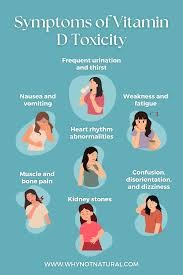
The early symptoms tend to look like hypercalcemia
With excess vitamin D, calcium levels can climb, and that can cause things such as nausea, vomiting, and loss of appetite. People may also notice frequent urination and excessive thirst, plus weakness and fatigue. Sometimes it feels very vague at first, but it usually stacks up.
Possible serious complications if it stays untreated
If it’s not handled, toxicity can progress and lead to several problems
Kidney stones can show up, along with reduced kidney function,, and in the worst cases, possible kidney failure
2. Bone issues
There can be a calcium imbalance, bone pain, and a rather odd effect where bones can actually weaken in the opposite direction than you’d expect
3. Heart problems
You might notice an uneven heartbeat, higher blood pressure, and calcium deposits sitting in the arteries, and honestly, that is not a small thing
Why taking too much Vitamin D can be risky
The main issue here is hypercalcemia, where, sort of like, calcium starts to stack up in the bloodstream. And then it can turn dangerous, even when it seems, at first glance, pretty harmless, like, oh, it’s just a small thing.
When it happens, it kind of messes with the body’s usual functions, and it can ripple outward to several places at once: heart rhythm, muscle activity, the nervous system, and even kidney filtration.
What’s tricky is that the danger doesn’t usually show up right away. It tends to develop slowly, sometimes over months, which is why people can miss it until things are pretty far along.
⸻ How Vitamin D Toxicity Works in a Quiet Way
One of the most concerning parts is that vitamin D toxicity often does not show up immediately. It’s more like a gradual situation. Blood levels slowly increase, calcium accumulates over time, symptoms tend to appear later, and by the time you notice, the damage may already be advanced. That’s why some people call it a silent toxicity condition, and honestly, that name fits.
⸻ Safe Vitamin D Use: How to Protect Your Health
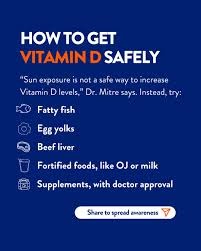
1. Check Your Vitamin D Status First
Before you start any supplementation:
- Get a 25-hydroxyvitamin D blood test
- Figure out whether you’re deficient or just sufficient
2. Lean on Natural Sources
You can keep steady, healthy levels by doing things like :
- Try to catch some sunlight for roughly 10–15 minutes a few times each week, but don’t push it past what you’d normally do.
- Also, include fatty fish like salmon, mackerel, or sardines, as they support multiple mechanisms in the body.
- And yes, using egg yolks can be a gentle add-on too.
- Choosing fortified foods
⸻ 3. Handle Supplements With Care
If a deficiency is actually present :
- Take only the doctor-recommended dosage
- Don’t “cook up” your own high-dose plan
- Keep checking blood levels regularly
⸻ Who’s More Likely to Run Into Toxicity?
Overdose risk goes up when vitamin D is used by
- People are already taking several supplements
- Individuals with kidney disorders
- Long-term high-dose users
- Patients who skip blood monitoring
⸻ Key Takeaway
Vitamin D matters a lot for wellness, but it really is about balance, not brute force.
Too little may weaken bones, yet too much can bring about the following:
- Hypercalcemia
- Kidney damage
- Heart complications
- Bone mineral imbalance
👉 Real health isn’t about chasing the highest amount. It’s about the sweet spot in between.
FAQs
What are the symptoms of vitamin D toxicity?
Sometimes people end up with too much vitamin D, and then the body can start doing weird things. You might notice nausea, vomiting, feeling oddly weak, going to the bathroom more often than usual, and kidney-related issues. That’s typically because calcium gets too high, and it kind of snowballs from there.
Can an excess of vitamin D damage the kidneys?
Yes, it can actually. Having too much vitamin D can set off kidney stones and kidney injury, mainly because hypercalcemia shows up, and it builds over time.
What would a safe daily amount look like?
For most adults, 600–800 IU each day mostly covers it, and most guidelines set the top end near 4,000 IU per day unless a clinician is really watching blood levels, ok? So in plain language, it’s basically that range where most people can get by without too much trouble.
Does sunlight cause vitamin D toxicity?
Normally no. Vitamin D toxicity is pretty rare from just being outside; it’s more linked to heavy supplementing of vitamin D or unusually high dosing patterns, like taking extra drops for a long time.
So it’s not really the common case with everyday sun exposure, and you generally do not see toxicity from normal daytime light alone
Leave a Reply