
Table of contents
Why Your Hands and Feet Go Numb—Causes and Warning Signs
What Causes Numb Hands and Feet?
Warning Signs You Should Not Ignore
How doctors figure out numbness
Prevention and management strategy
Overview
Most people have had that odd hand-or-foot moment where a limb kind of “falls asleep” on you. It usually shows up after sitting cross-legged for too long or sleeping in a weird position, and the prickly tingling basically disappears within a few minutes. But when it keeps happening, or it does not really go away, that can hint at more serious health stuff. Learning more about why your hands and feet go numb: causes and warning signs can help you figure out if a few lifestyle tweaks will handle it or if you should really get a medical checkup.
But if numbness or tingling starts popping up a lot, keeps hanging around, or even turns painful sometimes, then it might be more than just a plain nerve squeeze. And it really shouldn’t be brushed off so easily.
Numb hands and feet can show up from nerve pressure, weaker blood flow, vitamin shortages, diabetes, or other issues with the nervous system. And yeah, in some moments, sudden numbness can also be a sign of something more serious, like a stroke, you know.
If you can spot the usual reasons and the warning cues, then you might tell whether a couple of small habit changes are enough or if a doctor’s check is really needed, somehow.
Why Your Hands and Feet Go Numb—Causes and Warning Signs
Numbness usually shows up when the peripheral nerves, you know, those communication pathways between your brain, your spinal cord, and pretty much the rest of your body, get compressed, somehow injured, or maybe even short on oxygen-rich blood. When that whole nervous system signal line gets interrupted, you can notice things like tingling or a sort of burning feeling, or sometimes it turns into a total lack of sensation.
⸻ What Causes Numb Hands and Feet?
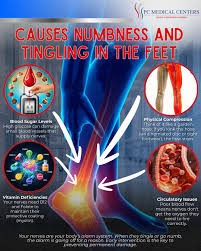
Numbness often starts when nerves get annoyed, squashed, bruised, or simply don’t get a steady supply of oxygen-rich blood.
Nerves are basically messengers from your brain to the rest of you, so when that “signal channel” is interrupted, you may notice tingling, burning, weakness, or even a full loss of feeling.
Some causes are pretty straightforward, like temporary nerve pressure. Other causes are more layered, tied to long-term health issues that affect nerves and blood vessels, too.
⸻ 1. Nerve Compression Issues
One of the most frequent reasons is mechanical nerve compression.
When nearby tissue kind of presses on a nerve, your signal circuit can get disrupted, and sometimes it feels like everything is a bit off. That’s when tingling, numbness, or maybe even weakness can appear, depending on what’s happening in your body.
Carpal Tunnel Syndrome
Carpal tunnel syndrome kind of shows up when the median nerve gets squeezed in that wrist spot, right there, exactly.
Common signs usually include:
- Tingling in the fingers
- Numbness in the thumb, plus the index finger
- Hand weakness
- Symptoms that feel worse at night
If you do a lot of typing, keep reusing the same hand movements over and over, or just spend long stretches in front of screens and other little devices, it can make it quietly more likely that everything starts acting up later on in the evening sometimes.
⸻ Tarsal Tunnel Syndrome
Tarsal tunnel syndrome occurs when the tibial nerve, near the ankle, sort of gets pinched and irritated, causing problems.
Possible symptoms can include:
- Burning pain in the foot
- Tingling in the sole
- Numb toes
- Foot weakness
Some people notice it gets worse after standing on their feet for a long time or after long walks, too.
⸻ Pinched Nerves and Sciatica
A herniated disc, or spinal arthritis, can press on nerves in the neck or lower back, and then it causes trouble there.
People often call this “radiculopathy,” and it can cause the following:
- Sharp, shooting pain
- Tingling that travels down the arms
- Leg numbness
- Sciatica-type symptoms
The pain can “track” along the same nerve path, so it might feel oddly patterned in a recognizable route.
⸻ 2. Poor Circulation
Good blood flow, it really does matter a lot because the nerves still depend on oxygen plus nutrients to keep going. If circulation starts to slow down, those nerves might not receive what they need, and then you could notice numbness or that chilled, prickly sort of feeling almost out of nowhere, like suddenly happening.
Peripheral Artery Disease (PAD)
PAD is basically when the arteries get narrower and narrower, kind of, so the blood flow reaching the limbs becomes reduced, or at least it feels that way. Sometimes people notice it in the legs first, and then it kind of creeps along.
It can start to feel like a traffic jam, but it’s more like it’s happening inside the vessels themselves, so your legs or arms aren’t properly supplied anymore, basically.
It ends up feeling like a traffic jam, but in the vessels themselves, so your legs or arms aren’t properly supplied anymore, basically.
So it’s kind of a traffic jam, but in your blood vessels, and the result is that the legs or arms don’t get supplied properly anymore.
Common warning signals include the following:
- Cold feet
- Leg cramping
- Tingling sensations
- Weaker pulses in the legs
Smoking, diabetes, and high cholesterol tend to increase the risk.
⸻ Raynaud’s Phenomenon
Raynaud’s phenomenon makes blood vessels in the fingers and toes temporarily narrow. This can happen after cold exposure or even emotional stress.
When it flares up, you might notice:
- Pale or bluish-looking fingers/toes
- Feeling numb, or sore
- Getting cold really fast
Once the circulation comes back, most of the time the symptoms kind of settle down too, like slowly.
⸻ 3. Peripheral Neuropathy
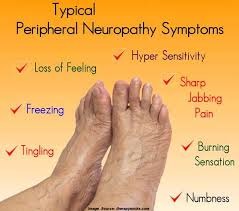
Peripheral neuropathy is a kind of harm that affects those peripheral nerves, the ones way out there, away from the brain or spinal cord.
It often brings:
- Burning feelings
- Tingling
- Numbness
- Muscle weakness
Mostly, the symptoms kick in at the feet first and then drift toward the hands little by little, almost gradually.
⸻ Diabetes and nerve damage
Diabetes is one of the major drivers of peripheral neuropathy.
When blood sugar runs high, it can harm very small blood vessels that supply nerves, particularly in the legs and feet.
Diabetic neuropathy may show up as:
- Reduced sensation
- Burning pain
- Trouble walking
- Foot injuries you don’t notice right away
Also, keeping blood sugar under control may slow down or lessen how quickly it advances
⸻ 4. Vitamin Deficiencies
So, some vitamins kind of help the nervous system, and in a sense, they are the behind-the-scenes crew for nerve function, so stuff doesn’t get sloppy or unsteady.
Vitamin B12 Deficiency
Vitamin B12 helps nerves by supporting the myelin sheath, which is the covering that helps signals move right, and without it, things can turn less efficient.
If B12 drops low, you might experience the following:
- Tingling hands and feet
- Weakness
- Balance problems
- Fatigue
- Issues with memory or thinking
Vegetarians, older adults, and people with digestive problems can be at higher risk for low B12.
⸻Other Important Nutrients
Deficiencies in:
- Vitamin B1
- Vitamin B6
- Vitamin E
- Magnesium
may also play a role in nerve-related symptoms.
Eating a balanced diet helps in a real, practical way, not only as a “nice idea.”
⸻ 5. Stress and Anxiety
Big emotional strain can sometimes set off physical stuff across the whole body.
Anxiety may change breathing patterns, circulation, and how extra-sensitive nerves feel. That can contribute to the following:
- Tingling sensations
- Hand numbness
- Cold extremities
- Muscle tension
Stress-linked numbness is usually temporary, but it can feel even stronger during heavy anxiety stretches. Like, you might notice it while your nerves are already pretty wound up, and then it eases later.
⸻ Warning Signs You Should Not Ignore
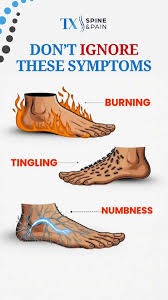
Yes, temporary numbness can happen to anyone. Still, if certain symptoms keep returning, it’s smarter to get checked sooner rather than later.
Get medical help if you have:
Sudden One-Sided Numbness
Numbness on only one side of the body can be a stroke sign or another urgent nerve issue.
Other extremely concerning signs include the following:
- Facial drooping
- Slurred speech
- Weakness
- Confusion
- Vision problems
In these cases, emergency care is needed immediately.
⸻ Progressive numbness
Slowly getting worse tingling that seems to crawl for weeks or months can be a sign of nerve trouble or sometimes circulation problems, even if it starts kind of small and barely noticeable at first.
Loss of coordination
If you’re struggling to grip things, dropping items more often, stumbling a lot, or feeling actual muscle weakness, that can suggest a bigger nerve issue, not just ordinary “pins and needles” sensations.
Severe burning or electric jolt pain
When it’s sharp, burning, or feels like a jolt of electricity, it might mean the nerves are being irritated or that they’re already damaged, in some cases.
How doctors figure out numbness
Doctors might use several checks to sort out the root cause, because numbness is rarely one single issue.
Common evaluations can include physical assessment
- Blood tests
- Testing for vitamin levels
- Nerve conduction studies
- MRI or spinal imaging
- Blood sugar testing
- Circulation studies
Getting the diagnosis right matters because treatment depends on what’s really causing the trouble, not just the symptom that shows up there, in other words.
Prevention and management strategy
A lot of causes of numbness can get better if you keep a healthy lifestyle and also get the right medical attention when it’s needed. Like, it’s not just one thing; it’s often a mix, you know, kind of a blend of sorts. Sometimes it seems more like a double-sided story and not, well, just one cause.
Improve Ergonomics
Small changes in how you sit and move can ease nerve compression. Some helpful ideas are to keep your wrists straight while typing, take short movement breaks every 30–45 minutes, use ergonomic keyboards, and try not to rest or press on your limbs for long stretches. Also, avoid lingering pressure on elbows or wrists; it sounds minor, but it matters.
Support Healthy Circulation
When blood flow is decent, nerves and tissues get better nourishment, as if they are really getting fed. So you may want to zero in on regular exercise, walking each day, staying well hydrated, and not smoking. A lot of people can actually influence this part the most, if they stick with it, over time, and with consistency.
Prioritize Nutrition
A food plan loaded with nutrients can support the nervous system’s functioning. Foods with B vitamins include fish, eggs, dairy products, fortified cereals, lean meats, and leafy greens. If you’re thinking about supplements, they should only be used with professional guidance, especially if on a diet. It can also assist with cholesterol and blood pressure, so everything stays steady behind the scenes, kind of low-key but still important.
Keep Blood Sugar on Track
If someone has diabetes, they should touch base with a healthcare professional to keep glucose levels steady. When blood sugar remains more balanced, it may help slow down the progression of nerve damage. Deficiency is confirmed first; otherwise, it turns into a bit of a guessing game.
FAQs
Can stress cause numb hands and feet?
Yeah, sometimes. Anxiety, a general stress, can mess with circulation and nerve sensitivity a bit, and then you may get temporary tingling, like those pins-and-needles feelings.
Is numbness always a big deal?
Nah, not always. Temporary numbness is pretty common, but if it stays or seems to be escalating, then it’s worth getting looked at by a clinician.
Can a vitamin deficiency cause tingling?
Yes. A vitamin B12 shortage is one of the more common reasons for nerve-related tingling, plus weakness.
When should I see a doctor?
Go for medical care if the numbness comes on suddenly, is severe, is only on one side; slowly progresses, or starts interfering with movement and coordination.
Final Thoughts
Numb hands and feet can show up for lots of different causes, from a temporary nerve being pressed to longer-term health issues that involve blood circulation, metabolism, or even nerve damage.
Even if that occasional tingling can be totally harmless, steady numbness, clear weakness, or sudden signs really shouldn’t be waved away. I mean, those things, you know, they do deserve attention, because catching early warning symptoms and addressing the root risks may help support nerve health and also lower the chance of bigger problems later on.
Small everyday habits, good blood circulation, solid nutrition, and getting proper medical help when it’s needed all play a role in how the nerves work, plus overall wellness, too.


Leave a Reply